Info
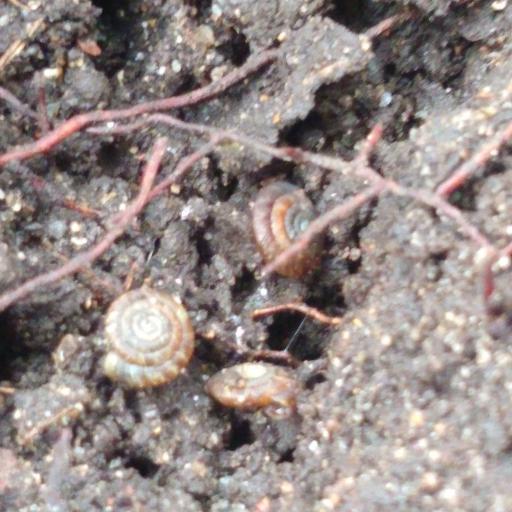
Often referred to as the Rotund Disc Snail, this tiny creature is a master of camouflage hidden within the leaf litter. While it might be mistaken for a small pebble at first glance, its perfectly coiled, "cinnamon-roll" shaped shell makes it a favorite find for backyard explorers. Though technically a mollusk and not an insect, it plays a vital role in the garden ecosystem as a dedicated member of nature’s cleanup crew.
🔍 How to Identify
- 🐌 The Shell Shape: Unlike many garden snails with tall spires, this species has a very flat, disc-like shell that looks compressed from the top.
- 🎨 Distinct Patterning: The shell features a beautiful "zebra" pattern of reddish-brown spots or rectangular blotches against a pale cream or grey background.
- 📏 Ribbed Texture: If you look closely (or use a magnifying glass), the shell is covered in fine, regular ridges that give it a rough, matte appearance rather than a shiny one.
- 🍩 The Deep Center: On the underside, it has a very wide and deep "umbilicus" (the hole in the center of the coil), which is a key identifying feature.
🌲 Habitat & Ecology
- 🍂 The Decomposer: You will rarely find these on your prize-winning hostas; they much prefer a diet of decaying wood, leaf litter, fungi, and algae. They are "detritivores," meaning they turn waste into nutrient-rich soil.
- ☁️ Damp Preferences: They are most active in humid conditions and are commonly found hiding under logs, loose bark, stones, or inside damp flowerpots during the day to avoid drying out.
- 🏘️ Social Neighbors: It is common to find dozens of these snails huddled together in a single damp crevice, sharing the same micro-habitat to conserve moisture.
⚠️ Safety & Toxicity
- ✅ Harmless: The Rotund Disc Snail is completely non-venomous and does not bite or sting. It is safe to observe and handle gently.
- 🧼 Hygiene Note: As with all snails and slugs, it is recommended to wash your hands after handling them, as they can occasionally carry microscopic parasites common to garden wildlife.
- 🐶 Pet Safety: They are not toxic to pets, but curious dogs should be discouraged from eating them to avoid the risk of lungworm, which can be transmitted by many types of gastropods.
✨ Fun Fact
The Discus rotundatus is a slow traveler even by snail standards, but it is incredibly resilient; it has been known to survive in a wide variety of environments, from deep forests to the cracks of urban sidewalks!
More Details








