Info
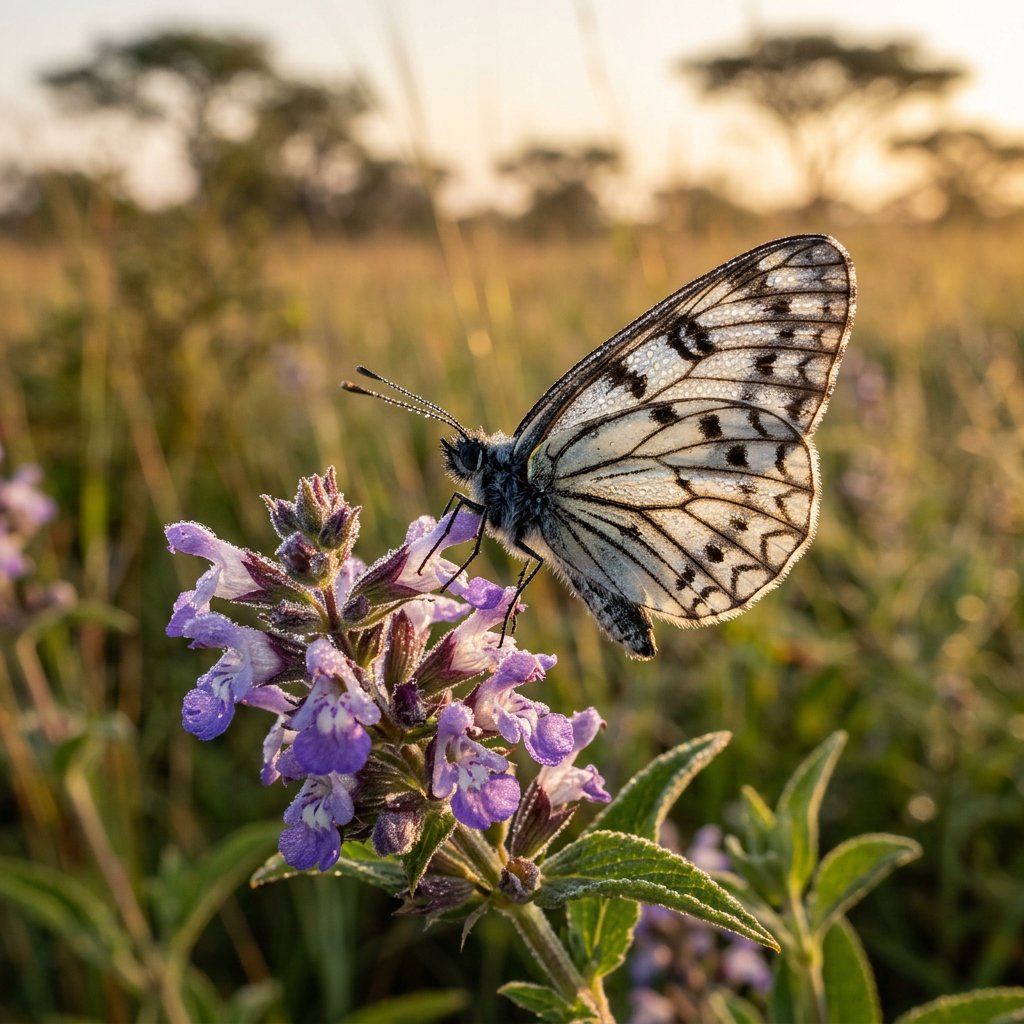
Often called the Small Whites or African Whites, these delicate butterflies are the silent, fluttering ghosts of woodlands and sunny gardens. While they may look like simple garden butterflies at a distance, they are specialized survivors known for their elegant, pointed wings and their fascinating relationship with wild caper plants.
🔍 How to Identify
- 🦋 Wing Coloration: Most species feature brilliant white, soft cream, or pale sulfur-yellow wings. The undersides often have a slightly different, more muted tone to help them blend into leaves when resting.
- 🖤 Edge Detailing: Look closely at the tips of the forewings; you will often see delicate black dusting or small, crisp black spots that vary in intensity between the seasons.
- 📏 Slender Profile: They are relatively small butterflies with a light, airy flight pattern. Unlike some "heavy" flyers, Dixeia look almost weightless as they dart between flowers.
🌲 Habitat & Ecology
- 🌿 The Caper Connection: These insects are deeply tied to plants in the Capparaceae family (Caper bushes). Their caterpillars are specialized feeders that rely on these specific plants to grow, making the butterfly a great indicator of a healthy local ecosystem.
- 💧 Mud-Puddling Groups: You might spot groups of these butterflies congregating around damp patches of soil or puddles. This behavior, called "mud-puddling," allows the males to intake essential salts and minerals that they pass on to females during mating.
⚠️ Safety & Toxicity
- ✅ Harmless Friend: Dixeia butterflies are completely safe for humans. They do not sting, bite, or carry any diseases that affect people.
- 🐾 Pet Safety: They are non-toxic to curious cats and dogs. While a pet might try to catch one, the butterfly’s only defense is its erratic, zig-zagging flight.
✨ Fun Fact
- 🚀 Seasonal Shape-Shifters: Some species of Dixeia exhibit "seasonal polyphenism," meaning the individuals that hatch in the dry season look significantly different (often darker or more heavily marked) than those that hatch in the wet season!
More Details








