Info
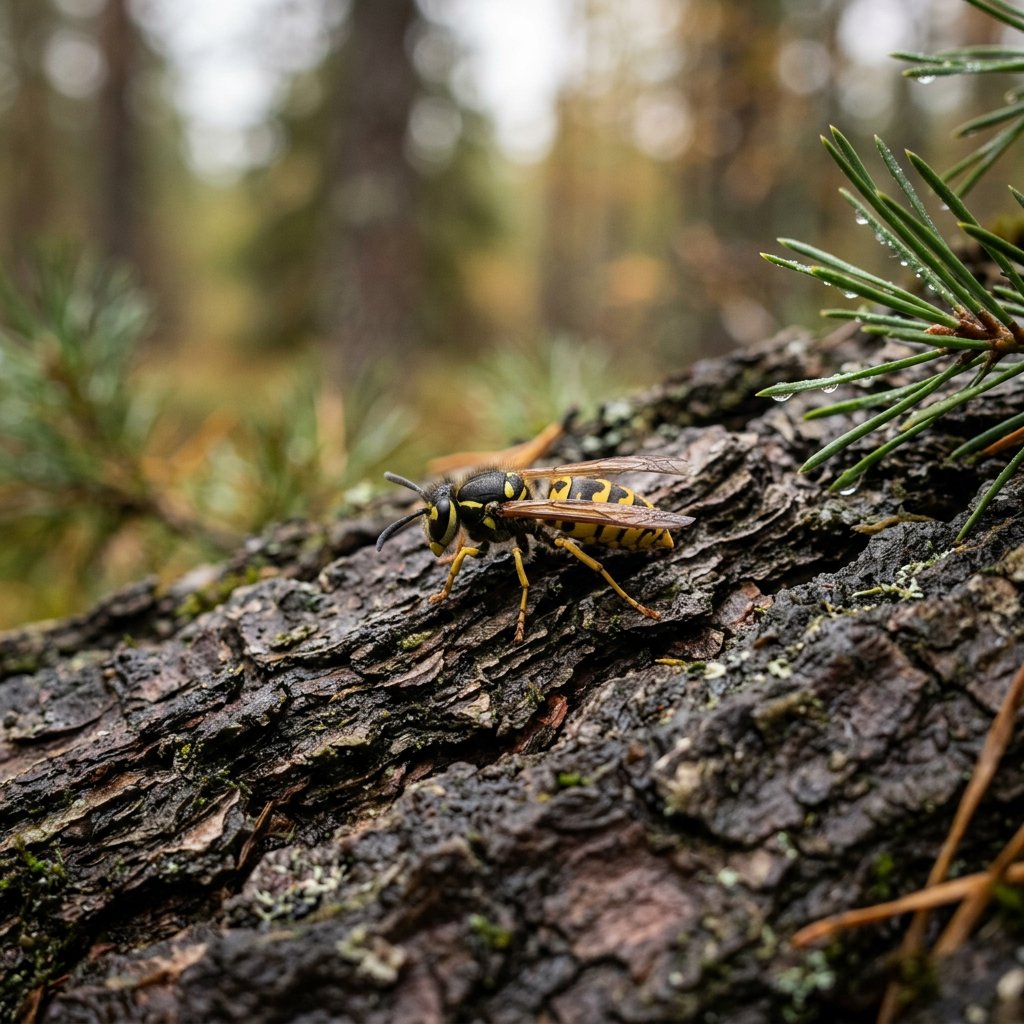
Often called the Cuckoo Yellowjacket, this insect is the ultimate "uninvited guest" of the wasp world. Unlike its industrious cousins, this species is a social parasite that bypasses the hard work of building a home. It is a fascinating example of nature’s "shortcut" artists, living a life of high-stakes infiltration within the nests of other wasps.
🔍 How to Identify
- 🐝 The Pattern: Features classic yellow and black bands, though its markings can be slightly more variable than the common yellowjacket. It often appears more "armored" and robust.
- 🎭 Missing Workers: You will never find a "worker" caste for this species. Because it is a parasite, it only produces fertile queens and males.
- 🗡️ The Stinger: It possesses a long, sharp stinger and a slightly more elongated abdomen compared to the host species it mimics.
🌲 Habitat & Ecology
- 🏰 The Great Usurper: This wasp does not build its own nest. Instead, a queen finds an established colony of a related species (like the Saxon Wasp), kills or deposes the original queen, and tricks the existing workers into raising her own royal offspring.
- 🗺️ Cooler Climates: They are primarily found in the temperate regions of the Northern Hemisphere, including Europe and North America, specifically in areas where their "host" species are abundant.
- 🍽️ Dietary Habits: While the larvae are fed by the host workers, adults spend their time visiting flowers for nectar, acting as accidental pollinators during their brief time outside the nest.
⚠️ Safety & Toxicity
- 🦂 Biting/Stinging: As a member of the Vespidae family, it has a potent sting. While it is not typically aggressive toward humans and lacks a "swarm" of its own workers to defend it, it will sting if trapped or handled.
- 🐾 Risk Level: Low to Moderate. It is generally a solitary wanderer once it leaves the host nest. However, individuals with wasp allergies should exercise the same caution as they would with any other yellowjacket.
✨ Fun Fact
The specific name adulterina comes from the Latin word for "counterfeit" or "adulterated," a perfect nod to its lifestyle as a biological imposter that mimics its host to steal their resources!
More Details








