Info
Often called "Snail Beetles," the Drilidae family represents one of nature’s most extreme examples of "the odd couple." While the males are delicate, winged beetles with spectacular plumage, the females spend their entire lives looking like large, wingless larvae. These insects are the unsung heroes of the garden floor, serving as highly specialized biological controls for snail populations.
🔍 How to Identify
- 🪶 Feathery Antennae: Males possess magnificent, comb-like or "pectinate" antennae. These are highly sensitive organs used to track the scent of females across the forest floor.
- 🪲 Soft-Bodied Form: Unlike the armored "crunch" of a ladybug or ground beetle, Drilidae have relatively soft, flexible wing covers (elytra), usually in shades of earthy brown, orange, or dull black.
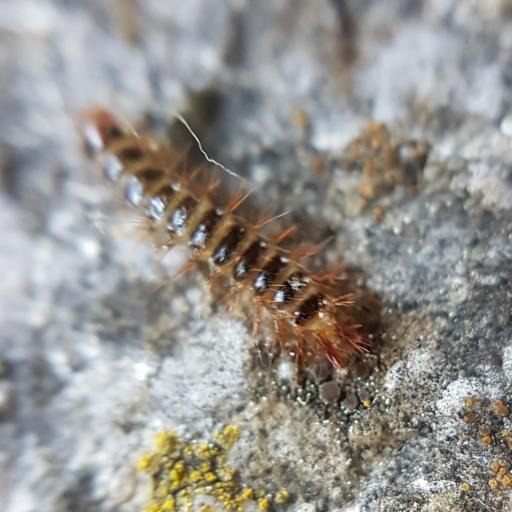
- 🐛 The "False" Larva: If you see a large, segmented, grub-like insect that looks like a glowing rail-road worm but doesn't glow, it might be a female. They never develop wings or a typical beetle shape, staying "larviform" even as adults.
🌲 Habitat & Ecology
- 🐌 The Snail Specialist: These beetles are beneficial "friends" to any gardener. The larvae are fearsome predators that track snails, enter their shells, and consume them. They often use the empty shell as a protective home while they transition to their next life stage.
- 🍂 Leaf Litter Lovers: You are most likely to find them in damp, shaded environments. They thrive in the "duff" layer of forests, under rotting logs, or in overgrown garden corners where moisture keeps their snail prey active.
⚠️ Safety & Toxicity
- ✅ Completely Harmless: Drilidae possess no stingers and are not known to bite humans. They do not have venom and are not considered toxic to touch.
- 🛡️ Garden Ally: Because they do not eat plants or wood, they are 100% safe for your garden. In fact, they are a sign of a healthy, pesticide-free ecosystem.
✨ Fun Fact
The physical difference between the male and female is so extreme that early scientists often classified them as completely different species! The tiny, flying male must go on a "treasure hunt" through the grass to find a wingless female that can be up to ten times his size.
More Details








