Info
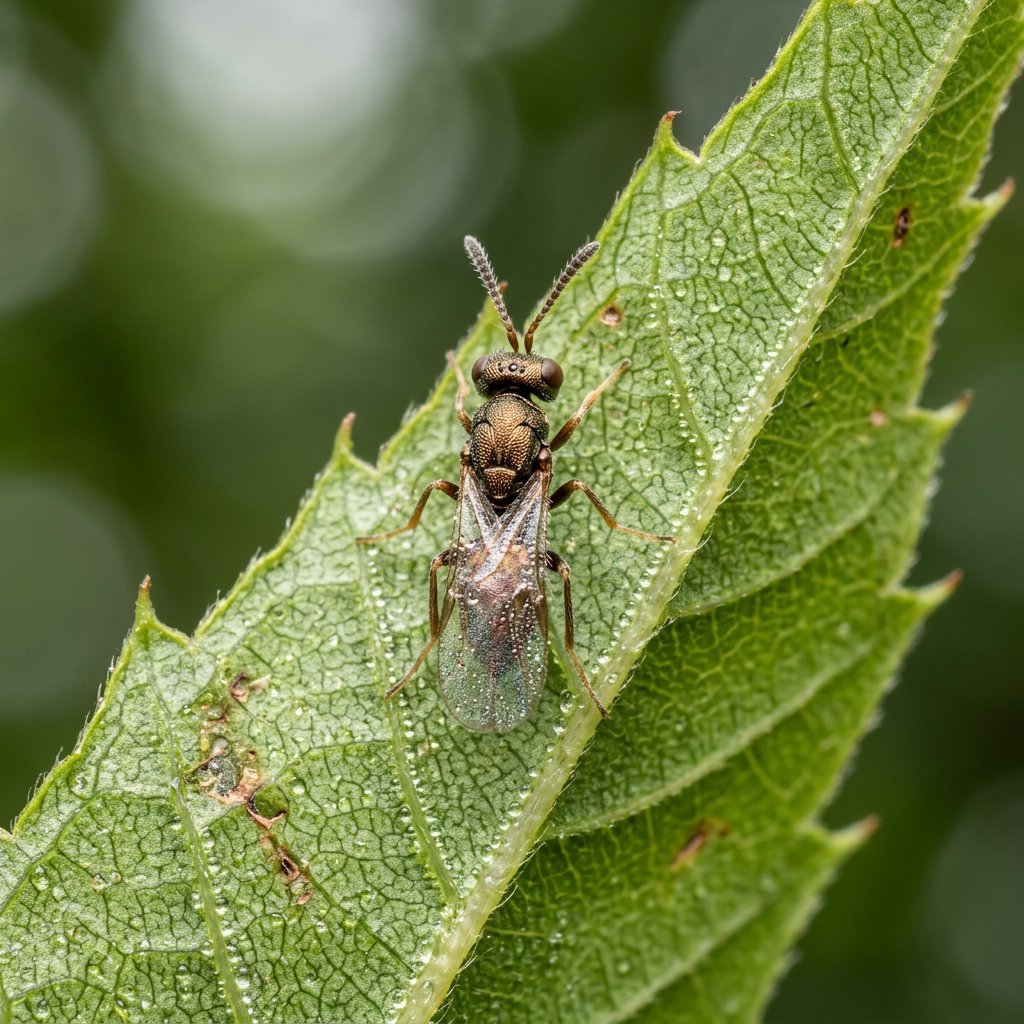
Known as the Chestnut Gall Wasp, this tiny insect is a major "foe" for chestnut enthusiasts worldwide. Originally hailing from China, it has traveled across continents, leaving a trail of lumpy, reddish swellings on chestnut branches. While it looks like a harmless speck of dust, it is considered one of the most significant threats to chestnut forest health and nut production globally.
🔍 How to Identify
- 🐝 The Adult Wasp: The insect itself is incredibly small (about 2.5mm) with a shiny, jet-black body and translucent wings. You are unlikely to see the wasp unless it is actively laying eggs.
- 🍓 The Galls: The most obvious sign is the "gall"—a distinctive rose-colored or lime-green swelling on the leaves and twigs. These look like small, fleshy fruit or warts growing directly out of the plant tissue.
- 🍂 Leaf Distortion: Leaves affected by the wasp often appear curled, stunted, or withered around the site of the gall, as the insect saps the tree's nutrients.
🌲 Habitat & Ecology
- 🌳 The Chestnut Specialist: This wasp is "monophagous," meaning it strictly targets trees in the Castanea (Chestnut) genus. It ignores your oaks, maples, and fruit trees, focusing its energy entirely on invading chestnut buds.
- 📉 Impact on Yield: By forcing the tree to redirect its energy into building galls (which house the wasp larvae), the insect drastically reduces the tree’s ability to produce nuts. A heavy infestation can lead to a 70% drop in chestnut harvests and may eventually kill weakened trees.
⚠️ Safety & Toxicity
- 🛡️ Human & Pet Safety: Despite the "wasp" name, this insect is completely harmless to humans and pets. It does not possess a stinger and has no interest in biting people.
- 🚨 Agricultural Threat: While it won't hurt you, it is a "biosecurity hazard." If you find these galls in a previously uninfested area, you should report the sighting to your local agricultural extension or forestry department to help prevent further spread.
✨ Fun Fact
🧬 An All-Female Army: This species is entirely parthenogenetic, meaning there are no males! Every single Chestnut Gall Wasp is a female capable of laying fertile eggs without ever needing a mate, allowing their populations to explode with incredible speed.
More Details








