Info
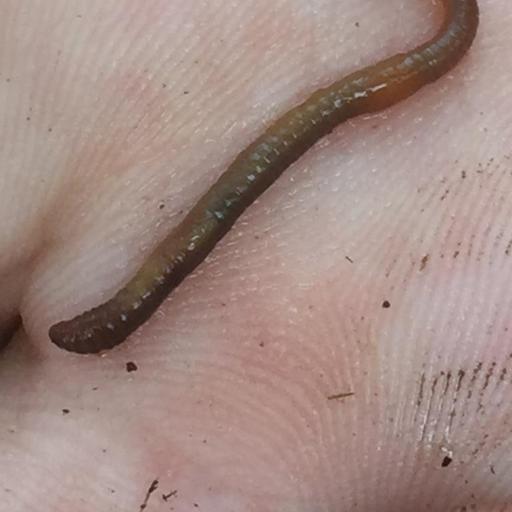
Often called the Square-tailed Worm, Eiseniella tetraedra is a fascinating little creature that blurs the line between land and water. Though it looks like a standard earthworm at first glance, it is actually a specialized semi-aquatic species that thrives in mud and wet moss. It is a tireless "ecosystem engineer," turning decaying muck into nutrient-rich soil along riverbanks.
🔍 How to Identify
- 🔲 The Square Tail: Unlike most earthworms that are round, the rear portion of this worm’s body is distinctly four-angled or "square" in cross-section, which helps it navigate slippery mud.
- 🎨 Earthly Colors: It typically displays a dark brownish, yellowish, or even subtle copper hue, often appearing slightly iridescent when wet.
- 📏 Compact Size: It is relatively small compared to common garden worms, usually reaching only about 3 to 6 centimeters in length.
🌊 Habitat & Ecology
- 💧 The Water’s Edge: You won’t usually find these in a dry garden bed; they prefer the "splash zone." Look for them in waterlogged soil, under stones in shallow streams, or tucked inside damp moss near waterfalls.
- 🍂 Nature’s Recycler: They play a vital role in cleaning up waterways by consuming decaying leaves and organic debris (detritus), preventing the buildup of stagnant waste.
- 🪵 Substrate Preference: They are particularly fond of silty mud and saturated timber, where they can stay moist while accessing plenty of food.
⚠️ Safety & Toxicity
- 🟢 Status: Completely harmless and beneficial.
- ✋ Gentle Handling: They do not bite, sting, or carry diseases dangerous to humans. However, like all worms, their skin is sensitive to the salts and oils on human hands, so it’s best to observe them in their muddy home or handle them with wet hands if necessary.
- 🐾 Pet Safety: They are non-toxic to curious pets, though their habitat (muddy riverbanks) might be a bigger mess-hazard for your dog than the worm itself!
✨ Fun Fact
The Square-tailed Worm is a master of independence! Most populations are parthenogenetic, meaning the females can produce offspring without needing a mate. This allows them to quickly colonize new patches of mud and stream banks all on their own.
More Details








