Info
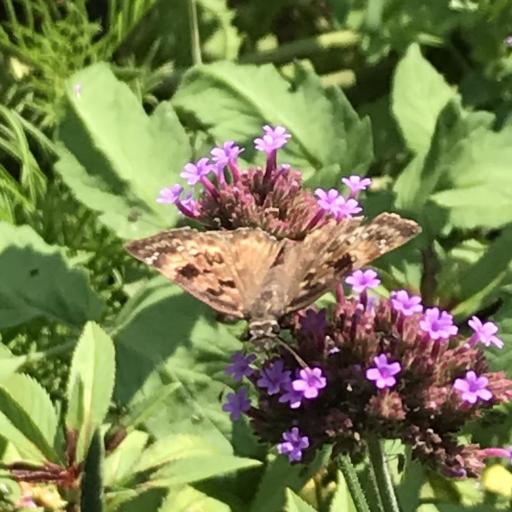
Often referred to as Horace’s Duskywing, this butterfly is a master of camouflage that haunts the sunny edges of oak woodlands. While many butterflies flaunt vibrant rainbows, this "skipper" chooses a sophisticated palette of charcoal and chocolate brown, allowing it to vanish against tree bark in an instant. It is a frequent visitor to backyard gardens, darting between flowers with a speed that often leaves observers blinking in surprise.
🔍 How to Identify
- 🦋 The Wing Pattern: The forewings are a mottled, dark brown with several small, translucent white spots. The females are typically more "decorated" with larger, clearer spots than the males.
- 🍂 The Hindwings: Unlike some of its cousins, the hindwings are almost entirely dark and unmarked, lacking any prominent white fringes or bright patches.
- 📐 Resting Posture: While many butterflies hold their wings vertically, Horace’s Duskywing usually rests with its wings spread out flat or slightly angled, resembling a small brown moth.
- 📏 Size: It is relatively large for a "duskywing," with a wingspan that can reach up to 2 inches, making it easier to spot than its tinier relatives.
🌲 Habitat & Ecology
- 🌳 The Oak Connection: These insects are deeply tied to the "Mighty Oak." The females lay their eggs on the young leaves of various oak species (Quercus), which serve as the primary food source for the developing caterpillars.
- 🌸 Nectar Preferences: As adults, they are not picky eaters. You’ll often find them fueling up on nectar from peppermint, dogbane, winter cress, and various legumes. They prefer open, sunny areas near the edges of forests or clearings.
- 🌀 Flight Pattern: They are true to their "Skipper" family name—their flight is incredibly fast, erratic, and "skippy," making them a challenge for photographers to track.
⚠️ Safety & Toxicity
- 🛡️ Status: Completely harmless.
- 🌿 Details: Horace’s Duskywing possesses no stingers, fangs, or chemical irritants. They are gentle pollinators that pose no threat to humans, pets, or garden plants (other than a few nibbled oak leaves by their larvae, which the trees easily tolerate).
✨ Fun Fact
Unlike many butterflies that have one generation per year, Horace’s Duskywing is a busy overachiever. In the southern parts of its range, it can produce up to three different generations between spring and autumn, ensuring there is almost always a "shadow" fluttering through the woods.
More Details








