Info
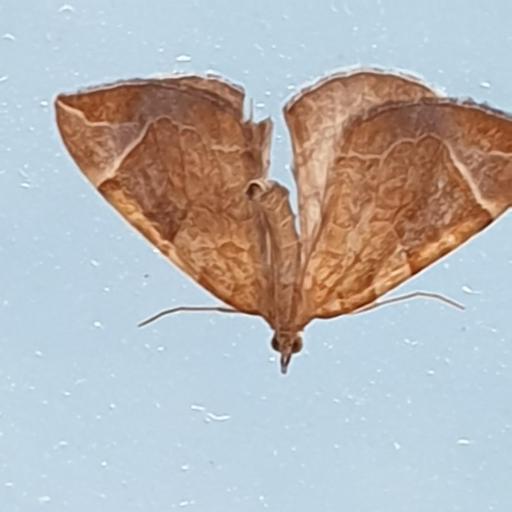
The Chevron moth, scientifically known as Eulithis testata, is a master of autumnal camouflage that looks remarkably like a withered, golden leaf. Often appearing in late summer, this moth is named for the sharp, dark V-shapes (chevrons) that decorate its forewings. It is a gentle nocturnal visitor that brings a touch of geometric elegance to gardens and heathlands across the Northern Hemisphere.
🔍 How to Identify
- 📐 The Chevron Markings: The most defining feature is the series of dark, angled bands that form a distinct "V" or chevron shape pointing toward the tail when the moth is at rest.
- 🍂 Autumnal Palette: Its wings typically range from a bright saffron yellow to a deep, purplish-brown, mimicking the changing colors of falling leaves.
- 📐 Resting Posture: Unlike some moths that spread their wings flat, the Chevron often holds its wings in a steep, tent-like fashion, further enhancing its leaf-like appearance.
🌲 Habitat & Ecology
- 🌿 The Caterpillar Diet: Before they take flight, the larvae (caterpillars) are picky eaters, favoring the leaves of sallows (willows), birches, aspens, and common heather.
- 🌙 Night Owl Habits: This moth is strictly nocturnal and is frequently seen fluttering around garden light fixtures or "sugaring" stations (sweet bait set out by enthusiasts) between July and September.
- 🏡 Garden Presence: If you live near a damp woodland or a moorland, you are very likely to host these visitors, as they thrive in areas with high humidity and plenty of shrubby host plants.
⚠️ Safety & Toxicity
- 🍃 Status: Completely harmless. The Chevron moth is a "friend" to the gardener and poses no threat to humans, pets, or structural timber.
- 🚫 No Defense Mechanisms: Unlike some brightly colored moths that are toxic to birds, the Chevron relies entirely on hiding in plain sight; it does not bite, sting, or irritate the skin.
✨ Fun Fact
The species name testata comes from the Latin word "testa," which refers to baked clay or brick. This is a nod to the moth's beautiful, earthy terracotta and ochre color tones that look like they were painted by hand.
More Details








