Info
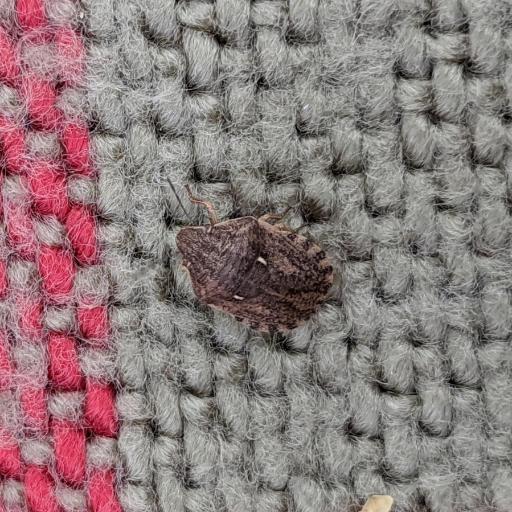
Often called the Tortoise Bug due to its domed, protective armor, Eurygaster maura is a master of disguise. While it might look like a tiny prehistoric tank crawling through your lawn, it is a specialized sap-sucker with a particular fondness for wild grasses and cereal crops. In agricultural history, it has been a bit of a "villain," but to the casual nature lover, it is a fascinating example of natural camouflage.
🔍 How to Identify
- 🐢 Shield-Like Body: The most striking feature is its "scutellum"—the hard plate on its back—which is so large it covers the entire abdomen and wings, giving it a turtle-shell appearance.
- 🍂 Earth-Toned Palette: Its colors range from sandy beige and mottled grey to deep wood-brown. This allows it to disappear instantly against dry soil or dead grass.
- 📏 Small but Sturdy: It is a compact insect, usually measuring between 8mm and 11mm, with a blunt, triangular head that blends seamlessly into its shoulders.
🌲 Habitat & Ecology
- 🌾 The Grain Gourmet: You will most likely spot this bug in dry grasslands, meadows, or near agricultural fields. It uses needle-like mouthparts to drink nutrients from the stems and seeds of grasses, especially wheat and barley.
- 🍂 Winter Hider: As the weather cools, these bugs seek shelter in leaf litter or under thick tufts of grass. They remain dormant there until the warmth of spring calls them back to the tops of the stalks.
- 🚜 Agricultural Impact: While a few in a garden are harmless, large populations can be a "foe" to farmers, as their feeding can reduce the quality of grain harvests.
⚠️ Safety & Toxicity
- 🛡️ Non-Aggressive: The Tortoise Bug is completely harmless to humans. It does not bite, sting, or carry diseases.
- 👃 Scent Defense: Like most members of the shield bug family, it can release a pungent, "stinky" odor if it feels threatened or is squashed.
- 🐾 Pet Safety: It is not toxic to curious cats or dogs, though the bitter taste of its defensive scent usually ensures that a pet won't try to eat one a second time.
✨ Fun Fact
The enzyme this bug injects into wheat grains while feeding is so powerful that it actually breaks down the gluten. If a harvest is heavily infested, the resulting flour loses its "stretchiness," making it nearly impossible to bake a proper loaf of bread!
More Details








