Info
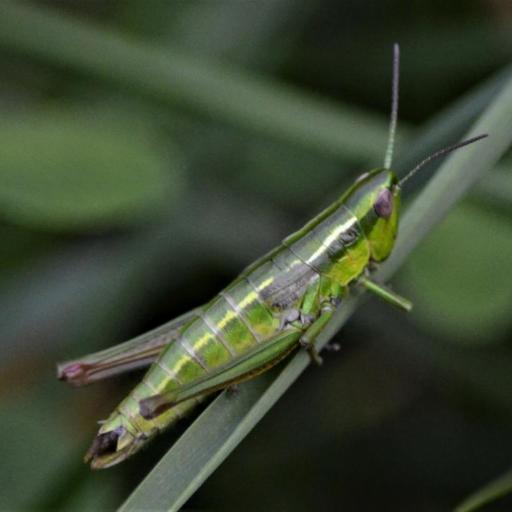
Known as the Small Gold Grasshopper, this charming insect looks like a living piece of jewelry hopping through the grass. It is most famous for its stunning metallic luster and its "short-winged" nature, which is exactly what its Latin name brachyptera describes. While many grasshoppers are built for long-distance travel, this little emerald gem prefers a quiet, grounded life in the damp meadows of Europe and Northern Asia.
🔍 How to Identify
- 🪽 Short Wings: Most individuals have very short wing pads that barely reach the middle of the abdomen, making them unable to fly.
- ✨ Metallic Sheen: Its body is a brilliant, lime-green color with a distinct golden or pearlescent metallic glow that catches the sunlight.
- 📏 Size & Build: They are relatively small and compact (13–20mm). Females are notably larger and more robust than the slender, more active males.
🌲 Habitat & Ecology
- 💧 Moisture Lovers: Unlike many of its cousins that thrive in dry heat, this grasshopper seeks out damp environments like marshy meadows, peat bogs, and lush forest edges.
- 🍃 Dietary Habits: They are gentle herbivores, spending their days munching on soft grasses and sedges. They are a vital part of the food chain, serving as a protein-rich snack for birds and lizards.
- 🎶 The Song: Males produce a very soft, rhythmic chirping sound by rubbing their hind legs against their wings, though it is often too quiet for humans to hear without getting very close.
⚠️ Safety & Toxicity
- ✅ Harmless: The Small Gold Grasshopper is completely non-toxic and lacks any sting or bite that could harm humans.
- 🐾 Pet & Child Friendly: They are safe to observe and handle gently. They do not produce any chemical defenses or "tobacco spit" common in larger grasshopper species.
✨ Fun Fact
Nature always has a backup plan! While most of these grasshoppers are "short-winged" and flightless, a rare "long-winged" version is occasionally born. These rare individuals act as pioneers, flying away to colonize new meadows if their home becomes too crowded or dry.
More Details








