Info
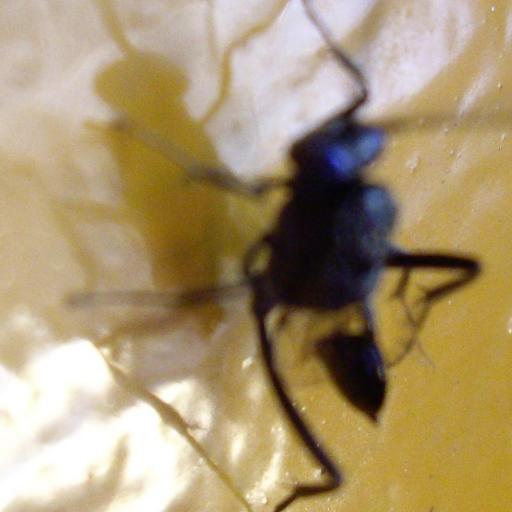
Often called the Blue-eyed Ensign Wasp, this little insect is the unsung superhero of the household. While its spider-like legs and jerky movements might seem intimidating at first glance, it is actually one of the most beneficial guests you can have. Its name comes from the way it carries its tiny, flag-like abdomen—pumping it up and down like an "ensign" (a naval flag) as it hunts for its sworn enemy: the cockroach.
🔍 How to Identify
- 🚩 The "Flag" Abdomen: The most striking feature is its tiny, triangular, paddle-shaped abdomen. It is attached very high on the body and is constantly bobbing up and down.
- 🕷️ Spider-Like Build: It has exceptionally long, spindly hind legs, which often leads people to mistake it for a strange-looking spider or a cricket at first glance.
- 💎 Sapphire Eyes: If you look closely at its head, you will notice large, mesmerizing compound eyes that often shimmer with a distinct blue or greenish-blue tint.
🦗 Habitat & Ecology
- 🛡️ Natural Pest Control: These wasps are parasitoids that specifically target the egg cases (oothecae) of large cockroaches, such as the American cockroach. They are "friend" insects that help keep pest populations down without chemicals.
- 🏠 Indoor Explorer: You will likely find them wandering across walls or near windows in kitchens, basements, or garages. They aren't there to bother you; they are tirelessly patrolling for cockroach nests.
- 🍭 Sugar Lovers: While the larvae eat cockroach eggs, the adults are gentle nectar-drinkers. You might see them outdoors on flowers like wild parsley or dill, fueling up for their next hunt.
⚠️ Safety & Toxicity
- ✅ Harmless to Humans: Despite being a wasp, the Ensign Wasp cannot sting humans or pets. It lacks the venom and the instinct to defend itself against large mammals.
- 🐾 Pet Friendly: They are completely non-toxic. If your cat or dog decides to chase one, there is no risk of a sting or poisoning, though they are much better left alive to do their "cleaning" chores!
✨ Fun Fact
A single female Ensign Wasp will find a cockroach egg case and carefully lay just one egg inside it. When her larva hatches, it spends its entire development eating all 10 to 15 cockroach embryos inside that case, effectively "deleting" a whole generation of roaches before they are even born!
More Details








