Info
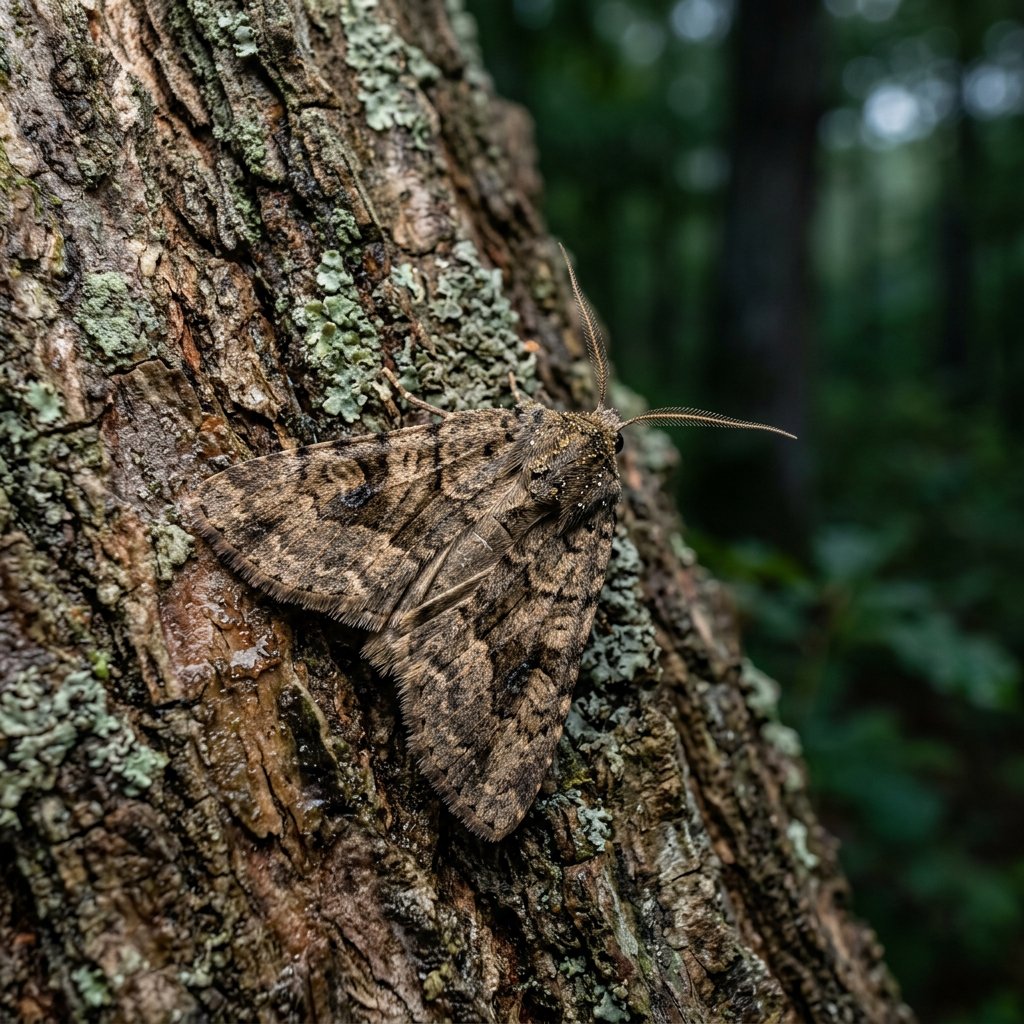
Meet the Wedged Midget, a master of suburban camouflage. Despite its somewhat humble name, this tiny moth is a widespread resident of gardens across the Americas, from Canada down to Argentina. Often mistaken for a small bit of dried leaf or a piece of bark, it plays a quiet but important role in the local ecosystem as a specialist consumer of common garden weeds.
🔍 How to Identify
- 📐 The Wedge Shape: The moth gets its name from a distinct, dark triangular or "wedged" spot located on the outer edge of its forewings.
- 🎨 Variable Coloration: Their wings range from a warm clay-brown to a deep maroon or grayish-tan, often with a subtle satiny sheen that helps them blend into leaf litter.
- 📏 Diminutive Size: True to the "midget" part of its name, this moth is quite small, usually sporting a wingspan of only 20 to 26 millimeters.
🌲 Habitat & Ecology
- ☘️ The Sorrel Specialist: While many moths are generalists, the larvae of the Wedged Midget are particularly fond of Oxalis (Wood Sorrel). If you have these heart-shaped "shamrocks" in your lawn, you likely have these moths nearby.
- 🌙 Night Owl: You are most likely to encounter the adults near your porch lights or windows. They are strictly nocturnal and are highly attracted to artificial light sources during the summer months.
- 🌎 A Great Traveler: Despite their tiny size, these moths are surprisingly hardy and can be found in a vast range of environments, from messy backyard gardens to pristine forest edges.
⚠️ Safety & Toxicity
- ✅ Harmless Neighbor: The Wedged Midget is entirely safe for humans, children, and pets. They do not bite, sting, or carry diseases.
- 🌿 Low Impact: Unlike the Gypsy Moth or other invasive species, the Wedged Midget is not considered a significant garden pest. Since its caterpillars primarily eat Wood Sorrel, they rarely bother your prized vegetables or ornamental flowers.
✨ Fun Fact
The Wedged Midget is a member of the Noctuidae family, often called "Owlet Moths." Some species in this family have developed "ears" on their bellies that can detect the ultrasonic clicks of hunting bats, allowing them to perform evasive mid-air maneuvers to stay alive!
More Details








