Info
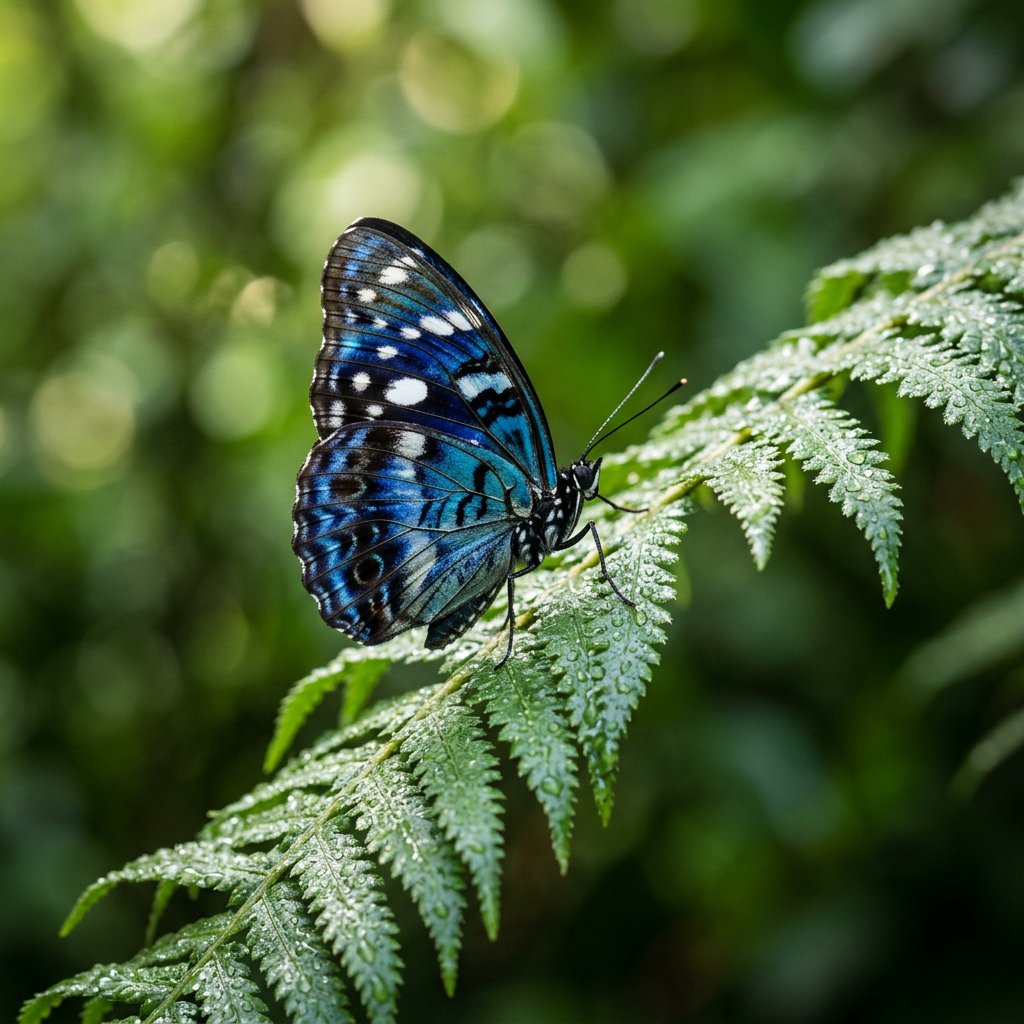
Known as the "Giant White" or "Josephine’s White," Ganyra josephina is a majestic sight across the tropical scrublands of the Americas. While it might look like a common garden butterfly at first glance, its impressive size and powerful, direct flight pattern give it a "regal" presence. It is often seen as a sign of a thriving, sun-drenched ecosystem where wild caper plants flourish.
🔍 How to Identify
- 🦋 Impressive Size: True to its name, this is one of the largest members of the "Whites" family, with a wingspan that can reach up to 4 inches.
- 🎨 Wing Markings: The upper wings are a brilliant, snowy white. Females typically display a distinct dark spot in the center of the forewing, whereas males are often pristine white.
- 🖌️ Underwing Marbling: When the wings are closed, you’ll notice a delicate wash of cream or pale yellow with faint, marble-like veins that help the butterfly blend into sunlight-dappled leaves.
🌲 Habitat & Ecology
- 🍃 The Caper Connection: These butterflies are biologically tied to plants in the Caper family (Capparis). The females are master botanists, sniffing out these specific shrubs to lay their eggs so their caterpillars have the perfect first meal.
- ☀️ Sun Seekers: You’ll rarely find them in deep, dark forests. They prefer forest edges, tropical dry forests, and coastal scrub where they can bask in the heat to power their high-energy flight.
- 🥤 Nectar Feeding: While the larvae are picky, the adults are generalists, frequently visiting various tropical wildflowers to refuel on sugar-rich nectar.
⚠️ Safety & Toxicity
- ✅ Completely Harmless: Ganyra josephina is a "friend" to everyone. It has no stinger, no bite, and does not produce any toxins that would irritate skin.
- 🐾 Pet Friendly: They are non-toxic to cats and dogs. While a curious pet might try to chase one, there is no chemical danger to the animal if they happen to catch it.
✨ Fun Fact
Unlike many smaller butterflies that "flutter" aimlessly, the Giant White is a powerful navigator. They are known for their "directional" flight, often seen traveling in a straight line for long distances, sometimes even migrating across open water between Caribbean islands!
More Details








