Info
Often referred to as part of the "Twirler Moth" family, the Gelechia genus is a group of small, masterfully camouflaged insects that are more common than you might realize. These moths are famous for their unique mouthparts that look like tiny tusks and their habit of spinning in circles when disturbed. While they aren't the flashiest residents of the garden, they play a quiet, essential role in the local food web.
🔍 How to Identify
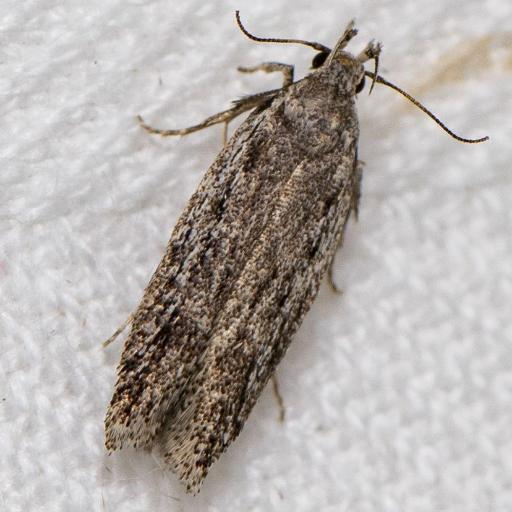
- 🦋 The "Horns": One of the easiest ways to spot a Gelechia moth is by its labial palps—small mouth appendages that curve upward and over its head, resembling tiny, elegant horns or tusks.
- 📐 Narrow Wings: When resting, these moths hold their narrow, lance-shaped wings flat against their body, often blending perfectly with tree bark or dried leaves.
- 🪶 Fringed Edges: If you look closely at the trailing edges of their hindwings, you will notice delicate, hair-like fringes that give them a soft, blurred appearance in flight.
🌲 Habitat & Ecology
- 🍂 Master Architects: The larvae of many Gelechia species are "leaf-rollers." They use silk to tie leaves together or fold them over, creating a private, silk-lined tent where they can feed safely away from the eyes of predators.
- 🌳 Host Specificity: Most species in this genus are very picky eaters. You will typically find them on specific trees like Willows (Salix), Poplars (Populus), or Oaks, where the larvae feed on the foliage or hidden inside buds.
- 🦇 Night Owls: As nocturnal creatures, adults are rarely seen during the day unless they are flushed from their hiding spots in the leaf litter or bark crevices.
⚠️ Safety & Toxicity
- 🛡️ Harmless to Humans: Gelechia moths are completely harmless to people and pets. They do not bite, sting, or carry any diseases.
- 🌿 Garden Impact: While the larvae eat leaves, they rarely cause enough damage to kill a healthy tree. They are generally considered "neutral" inhabitants of a garden, serving as a vital food source for nesting birds and bats.
✨ Fun Fact
The common name "Twirler Moth" comes from their frantic defensive behavior; if they feel threatened while resting on a surface, they will often spin rapidly in circles to confuse a predator before taking flight!
More Details








