Info
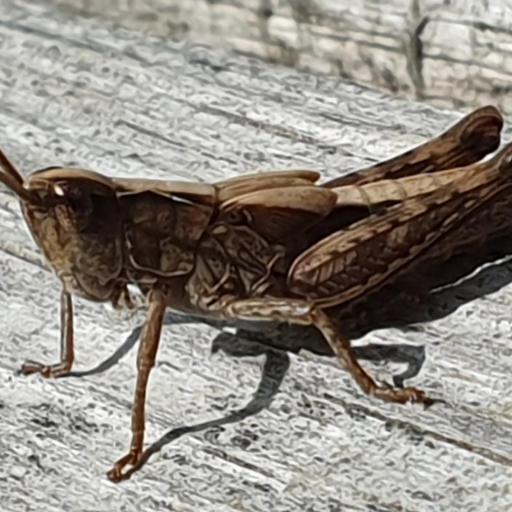
Often called the Rufous Grasshopper, this dapper little insect looks like it’s wearing tiny white gloves on its head. It is a warm-weather favorite in European meadows, known for its "gentlemanly" appearance and its rhythmic, sun-loving personality. While many grasshoppers look alike, this species stands out for its distinct fashion sense and energetic summer songs.
🔍 How to Identify
- 📡 Clubbed Antennae: The most famous feature; its antennae end in distinct clubs with striking white or pale tips, resembling tiny matchsticks.
- 🎨 Reddish Hues: True to its name (rufus means reddish), it often displays a warm brown, olive, or reddish-brown body that blends perfectly with dry grass.
- ☁️ Furry Chest: If you look closely at its underside, the thorax is noticeably "hairy" compared to its smoother cousins.
- 📐 Wing Shape: The wings are well-developed, usually reaching just to the end of the abdomen, allowing for short, fluttering flights.
🌲 Habitat & Ecology
- ☀️ The Sun Bather: You won’t find this grasshopper in dark, damp woods. It thrives in dry, sunny grasslands, chalky hillsides, and open forest edges where it can soak up the heat.
- 🍃 Grassy Diet: As a dedicated herbivore, it spends its days munching on various wild grasses. It plays a vital role in the ecosystem by recycling nutrients and serving as a protein-rich snack for birds.
- 🎶 The Percussionist: Males are famous for their "song." They produce a rhythmic chirping that sounds like a series of short, accelerating bursts by rubbing their hind legs against their wings.
⚠️ Safety & Toxicity
- ✅ Friend of the Garden: The Rufous Grasshopper is completely harmless to humans. It does not bite, sting, or carry any toxins.
- 🐾 Safe for Pets: If your dog or cat decides to chase one, there is no need to worry. They are non-toxic, though their jumpy nature might lead to a frustrated pet!
- 🌾 Garden Impact: Unlike locusts, they rarely occur in high enough numbers to cause significant damage to ornamental plants or crops.
✨ Fun Fact
The white tips on their antennae act like high-visibility signaling flags. During courtship, the male waves these "white-gloved" antennae in a specific pattern to make sure the female knows exactly who is serenading her!
More Details








