Info
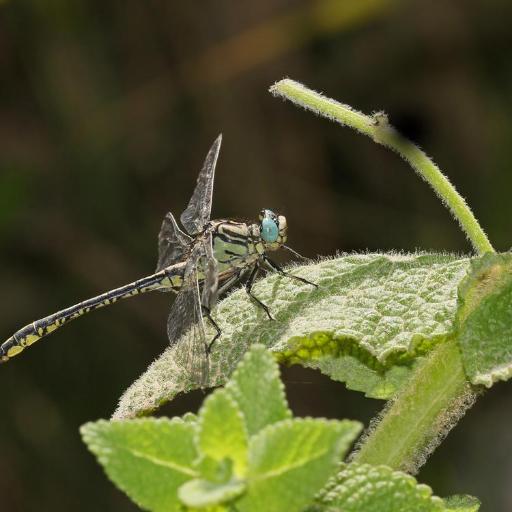
The Yellow-legged Clubtail (Gomphus simillimus) is a striking dragonfly that acts as a miniature, high-speed guardian of our waterways. Often found patrolling riverbanks with a "tiger-striped" appearance, this insect is a definitive friend to humans. It spends its days vacuuming up gnats and mosquitoes, making it a welcome sight for anyone enjoying a summer afternoon by the water.
🔍 How to Identify
- 🪽 The "Club" Tail: The most iconic feature is the distinct widening at the end of its abdomen (segments 7 through 9), which resembles a club or a paddle.
- 👀 Separated Eyes: Unlike many other dragonfly families whose eyes meet at the top of the head, the Clubtail’s large compound eyes are clearly separated, giving it a wide-set, alert expression.
- 🎨 Tiger Patterning: Its body is intricately decorated with bright yellow or yellowish-green markings against a deep black or dark brown base, providing excellent camouflage against dappled river sunlight.
🌊 Habitat & Ecology
- 💧 River Specialist: You are most likely to spot them near medium-sized rivers or slow-moving streams with sandy or silty bottoms, where their larvae (nymphs) hide and hunt underwater.
- 🪨 Ground Percher: While many dragonflies prefer to perch on tall grass or twigs, the Yellow-legged Clubtail is a "ground-hugger." It loves to sun itself on flat rocks, bare paths, or low-lying logs near the water's edge.
- 🦟 Aerial Predator: As an adult, it is a master of "hawking"—snatching other flying insects out of mid-air with incredible precision. They are vital for keeping local fly and mosquito populations in check.
⚠️ Safety & Toxicity
- 🟢 Harmless Friend: This insect is completely non-toxic and possesses no stinger. It is entirely safe to have in your garden or near your home.
- 👄 The "Pinch": While they are not aggressive, a large adult could deliver a tiny, harmless pinch with its mandibles if handled roughly or caught in a hand. They have no interest in biting humans otherwise.
✨ Fun Fact
Before they take to the skies, Clubtail nymphs live a secret life underwater for up to two or three years! They use their specialized "mask" (a hinged lower lip) to snatch aquatic prey with lightning speed before finally crawling onto a rock to transform into the flying jewels we see in summer.
More Details








