Info
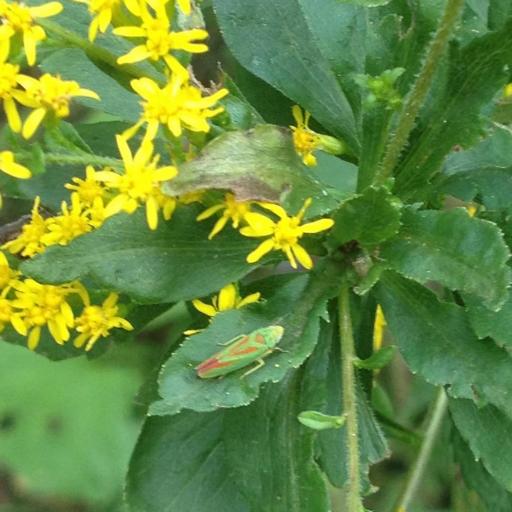
Commonly known as the Rhododendron Leafhopper, this tiny insect looks like it belongs in a neon-lit sci-fi movie rather than a quiet garden. Originally native to North America but now widespread across Europe, it is famous for its "electric" colors and its intense obsession with rhododendron shrubs. While they are stunning to look at, gardeners often view them as beautiful troublemakers due to their specific lifestyle.
🔍 How to Identify
- 🎨 Vivid Colors: The wings feature a striking "racing stripe" pattern of bright turquoise-green and reddish-orange diagonal lines.
- 📐 Wedge Shape: They have a classic leafhopper silhouette—a streamlined, triangular body that looks like a tiny, colorful kite resting on a leaf.
- 👀 Wide Head: A broad, blunt head with large eyes positioned on the sides, providing them with excellent vision to detect approaching gardeners or predators.
🌲 Habitat & Ecology
- 🍽️ The Sap Sucker: These insects are specialists. They spend almost their entire lives on Rhododendron plants, using needle-like mouthparts to drink the sugary sap from the undersides of leaves.
- 🍄 The "Bud Blast" Vector: The leafhopper has a controversial reputation because of how it lays eggs. When the female cuts into the flower buds to deposit her eggs, she often introduces a fungus (Seifertia azaleae). This leads to "bud blast," a condition where the flower buds turn brown, shrivel, and die before they can ever bloom.
- 🦘 Powerful Jumpers: If you try to touch one, it will disappear in a flash. They possess incredible hind legs that allow them to catapult themselves many times their body length in a fraction of a second.
⚠️ Safety & Toxicity
- 🛡️ Status: Completely harmless to humans. They do not bite, sting, or carry diseases that affect people or household pets.
- 🌿 Plant Health: While safe for you, they are a significant "pest" for prize-winning gardens. Their presence is the primary reason rhododendron flowers fail to open in the spring, making them a frustration for hobbyist growers.
✨ Fun Fact
Despite their flashy "look-at-me" neon colors, their stripes actually act as a form of disruptive camouflage. When sitting among the glossy, waxy leaves of a rhododendron in dappled sunlight, the bright lines break up the insect's outline, making them surprisingly difficult for birds to spot!
More Details








