Info
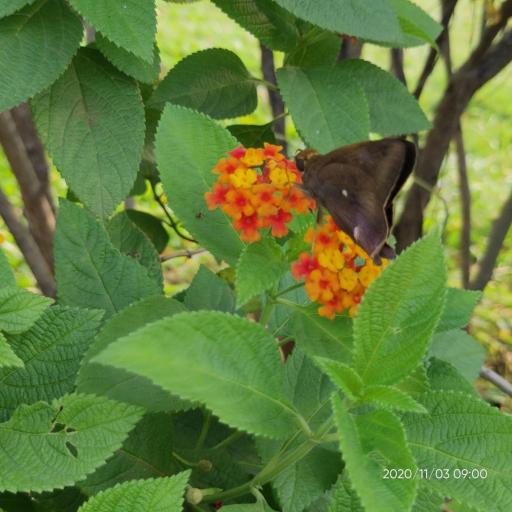
The "Awls" of the genus Hasora are the high-speed aviators of the butterfly world. Often mistaken for moths because of their thick, muscular bodies and preference for the shade, these "Skippers" are actually daylight-active butterflies with a penchant for the golden hours of dawn and dusk.
🔍 How to Identify
- 🚀 Body Shape: Unlike the dainty, thin bodies of most butterflies, Hasora species have robust, "heavyweight" torsos that power their incredibly fast flight.
- 📐 Wing Profile: Their forewings are elongated and pointed, resembling a leatherworker's tool called an "awl"—which is exactly how they earned their common name.
- 🎀 The Signature Band: Most species, like the Common Banded Awl, feature a striking, crisp white or cream-colored band on the underside of the hindwing that "flashes" when they move.
- 🧶 Hooked Antennae: Look closely at the tips of their antennae; they end in a tiny, elegant hook (called an apiculus), a classic trait of the Skipper family.
🌲 Habitat & Behavior
- 🌓 Twilight Lovers: These insects are crepuscular, meaning they are most active during the dim light of early morning or late evening. During the heat of the day, they typically hide on the undersides of leaves.
- 🏎️ Aerial Aces: They don't flutter; they dart. Their flight is so rapid and direct that they look more like tiny fighter jets than garden insects.
- 🍃 Leaf Folders: As caterpillars, they are master architects. They cut and fold pieces of leaves (often from legume trees like Pongamia) and "stitch" them together with silk to create a private, protective sleeping bag.
⚠️ Safety & Toxicity
- 🦋 Perfectly Safe: Hasora insects are completely harmless to humans and pets. They do not sting, bite, or carry any toxins that cause skin irritation.
- 🛡️ Shy Neighbors: They are quite skittish. If you approach one, it is far more likely to vanish into the trees at high speed than to interact with you.
✨ Fun Fact
Many Hasora species are known to be "territorial." A male will pick a favorite leaf as a lookout post and aggressively chase away any other insect—even those much larger than itself—that enters its airspace!
More Details








