Info
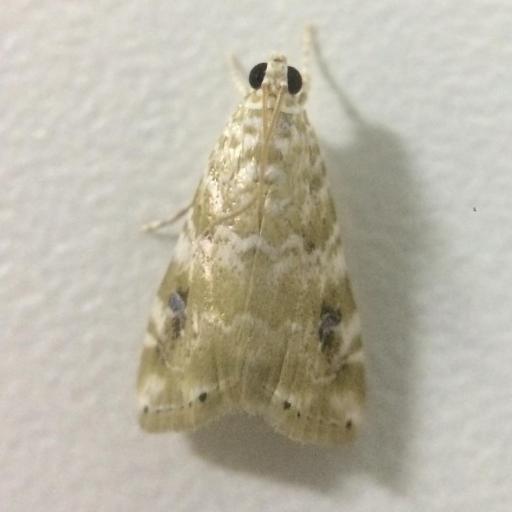
Meet the Cabbage Webworm, the stealthy architect of the vegetable garden. Often called the "Heart-eater" by frustrated farmers, this moth species is famous for its peculiar habit of spinning intricate silk shelters right in the center of your favorite greens. While the adult moths are humble and camouflaged, their offspring are legendary for their ability to hide in plain sight while reshaping your garden.
🔍 How to Identify
- 🦋 The Moth: Adults are small, dusty-brown or grayish moths with a mottled pattern and distinct wavy dark lines across their forewings, allowing them to disappear against dry soil.
- 🐛 The Caterpillar: The larvae are creamy-white or pale yellow, featuring five distinct, dark brownish-purple longitudinal stripes running from head to tail.
- 🕸️ The Silk "Tent": Look for fine, messy silk webbing filled with dark specks (waste) tucked deep into the central growing point or "heart" of your plants.
🌲 Habitat & Ecology
- 🥦 Veggie Preferences: These insects are specialized diners, focusing almost exclusively on the Brassicaceae family. If you have cabbage, broccoli, kale, or bok choy, you likely have Hellula nearby.
- 🎯 The Core Strategy: Unlike many caterpillars that wander across outer leaves, Hellula larvae burrow into the terminal bud. By destroying the central growing point, they can stop a cabbage from forming a head entirely, often causing the plant to sprout multiple tiny, unusable side-shoots.
⚠️ Safety & Toxicity
- ✅ Harmless to Humans: These insects are a "foe" to your garden but a "friend" to your skin. they do not bite, sting, or carry diseases that affect humans or pets.
- 🥬 Food Safety: While the insects themselves aren't toxic, they leave behind significant waste and silk. Always thoroughly inspect and wash garden-grown greens to ensure no "hitchhikers" or debris end up in your salad.
✨ Fun Fact
The Hellula is a master of the "Micro-Climate." By spinning a silk shield over their feeding site, they create a tiny, humid greenhouse that protects them from both thirsty predators and the drying effects of the hot summer sun!
More Details








