Info
Often called the "shadow cousins" of butterflies, moths belonging to the group Heterocera are among nature's most diverse and misunderstood residents. While many associate them with dusty brown wings, this group includes some of the most vibrant, iridescent, and massive insects on the planet. From the pale green Luna Moth to the tiny clothes moth, they are the essential night-shift pollinators of the world.
🔍 How to Identify
- 📡 Antennae: Unlike the club-tipped antennae of butterflies, moth antennae are usually feathery (pectinate) or simple and tapered, resembling tiny combs.
- 🧥 "Furry" Bodies: Moths generally have stouter, hairier bodies than butterflies. These scales help them retain heat during cooler nocturnal flights.
- 📐 Resting Posture: When at rest, most moths hold their wings flat against their sides or spread out horizontally, rather than folded vertically above their backs.
🌲 Habitat & Ecology
- 🌙 Nocturnal Navigators: Most moths are active at night and use "transverse orientation" to navigate by the moon—a behavior that unfortunately leads them toward our porch lights by mistake.
- 🌺 Night Pollinators: They are vital for "moonlight gardens." Moths are attracted to pale, highly fragrant flowers that open at dusk, such as Honeysuckle and Jasmine, which butterflies often miss.
- 🌳 Master Camouflage: Many species have evolved wing patterns that perfectly mimic tree bark, dried leaves, or even bird droppings to hide from predators during the day.
⚠️ Safety & Toxicity
- 🦋 Adult Status: Adult moths are harmless to humans and pets. They do not sting, and very few species have mouthparts capable of even a "nibble."
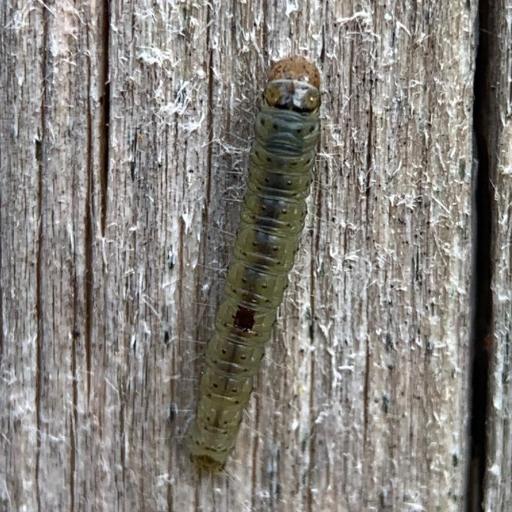
- 🐛 Larval Warning: Use caution with their caterpillars. Some species, like the Saddleback or the Io Moth, have "urticating" (stinging) hairs that can cause painful skin rashes or allergic reactions if touched.
- 🐶 Pet Safety: While the moths themselves aren't toxic to eat, some caterpillars can be irritating if a curious dog tries to mouth them.
✨ Fun Fact
Some moths have evolved "stealth technology" to survive. Certain species can emit their own ultrasonic clicks to jam the sonar of hunting bats, making themselves "invisible" to their predators' radar!
More Details








