Info
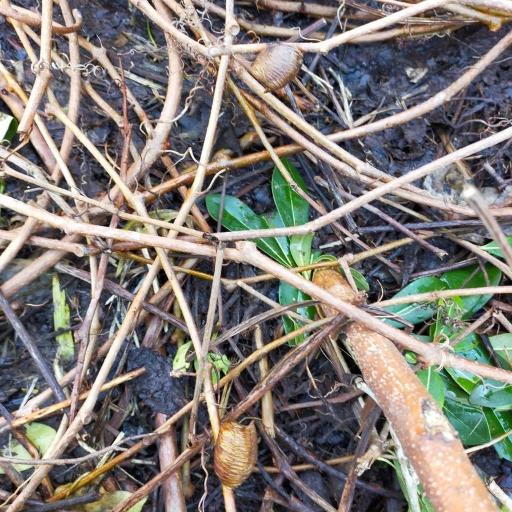
Known as the Caucasian Mantis or the Giant Transcaucasian Mantis, this insect is a majestic "Green Guardian" of the gardens across Western Asia and the Caucasus. With its robust build and stoic gaze, it looks like a miniature warrior frozen in a permanent state of prayer, waiting for the perfect moment to strike.
🔍 How to Identify
- 🟢 The Body: A large, sturdy insect typically reaching 6 to 8 centimeters. While most are a vivid leaf-green, some individuals can be found in shades of straw-yellow or earthy brown.
- ⚪ The Wing Spots: Look for a distinctive, opaque white spot (stigmata) located on the forewings—a classic trademark of the Hierodula genus.
- 📐 The Head: It possesses a highly mobile, triangular head with large compound eyes that provide a nearly 360-degree field of vision.
- ⚔️ The Forelegs: Thick, powerful "raptorial" front legs lined with sharp spines designed to snap shut on prey like a biological trap.
🌲 Habitat & Ecology
- 🦗 The Patient Hunter: This mantis is an ambush predator. It sits motionless for hours, blending into foliage until a fly, moth, or grasshopper wanders too close.
- 🌿 Garden Utility: They are highly valued by gardeners as natural pest controllers. They have an insatiable appetite for many insects that typically munch on ornamental plants.
- 🌍 Regional Resident: Naturally found in the Caucasus, Iran, and Southern Russia, they prefer sun-drenched shrubbery, tall grasses, and orchard trees where camouflage is easiest.
⚠️ Safety & Toxicity
- 🛡️ Status: Completely non-toxic and harmless to humans.
- 🤏 Details: While they lack venom or a stinger, a large adult may deliver a "pinch" with its spiked forelegs or a tiny nip if handled roughly. They are safe to have around children and pets, though it’s best to let them hunt in peace to avoid stressing them.
✨ Fun Fact
The Transcaucasian Mantis is one of the few insects capable of turning its head 180 degrees to look directly over its "shoulder"—a feat that helps them track fast-moving prey without moving their entire body!
More Details








