Info
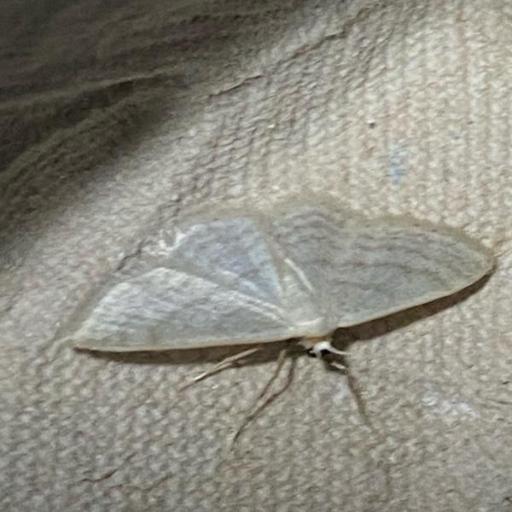
The Satin Wave (Idaea subsericeata) is a delicate, ghostly visitor often found flitting through gardens at dusk. Named for the pearly, shimmering texture of its wings, this moth looks like a tiny piece of silk caught in the breeze. It is a harmless, gentle resident of meadows and suburban backyards across Europe and parts of the Near East.
🔍 How to Identify
- 🦋 Wing Texture: The wings have a distinct silky or "satin" luster that catches the light, making the moth appear brighter than other duller brown species.
- 〰️ Wavy Markings: Look for four or five very faint, slightly wavy brownish-grey lines that run horizontally across both the forewings and hindwings.
- 📏 Size & Shape: This is a petite moth with a wingspan of about 22–25mm. When resting, it typically holds its wings flat against the surface in a triangular or fan shape.
🌲 Habitat & Ecology
- 🌼 Garden Presence: Unlike many moths that hide in deep forests, the Satin Wave loves "disturbed" open spaces, including flowerbeds, hedgerows, and grassy embankments.
- 🍃 The Larval Diet: As a caterpillar, it is a helpful recycler of sorts, munching on common garden plants like Dandelion, Knotgrass, and Chickweed.
- 🌙 Twilight Flier: While it is mostly nocturnal and attracted to porch lights, you will often spot it disturbed from long grass during the day or dancing around flowers at sunset.
⚠️ Safety & Toxicity
- ✅ Status: Completely harmless "friend."
- 🚫 No Threat: The Satin Wave does not bite, sting, or carry any known toxins. It is perfectly safe for curious children and pets to observe.
- 🌱 Plant Safety: It is not considered a significant garden pest, as its caterpillars rarely occur in high enough numbers to cause noticeable damage to ornamental plants.
✨ Fun Fact
- 📐 The Earth-Measurer: The Satin Wave belongs to the Geometridae family. The name comes from the Greek word for "earth-measurer" because the caterpillars (commonly called inchworms) move by looping their bodies, looking as if they are carefully measuring the ground with every step.
More Details








