Info
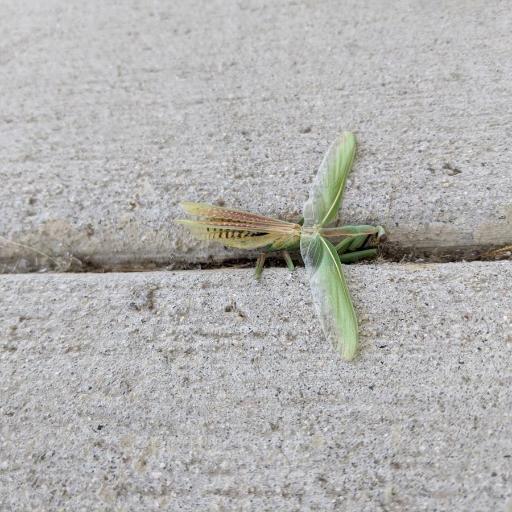
Often called the Mediterranean Mantis, this elegant predator looks like a miniature warrior in a pale green suit. While it may look like a common European Mantis at first glance, it holds a vivid secret hidden beneath its wings. It is a gardener’s best friend, acting as a natural pest control officer that patrols your shrubs with surgical precision.
🔍 How to Identify
- 📏 Compact Size: Noticeably smaller and stouter than the more common European Mantis, usually reaching only about 2 to 2.5 inches in length.
- 👁️ Hidden Eyespots: Look for the "secret weapon"—large, violet-blue eyespots on its hind wings that are only visible when the mantis feels threatened and spreads them wide.
- 🎨 Camouflage Colors: Typically found in shades of grass-green or straw-yellow, allowing it to blend perfectly with drying summer foliage or fresh garden leaves.
🌲 Habitat & Ecology
- ☀️ Sun Seekers: These mantises thrive in warm, dry climates. You will often find them clinging to the undersides of leaves or hunting on sunny garden walls where heat radiates.
- 🍽️ The Patient Hunter: As an ambush predator, it stays perfectly still for hours. It uses its lightning-fast, serrated front legs to snatch flies, moths, and occasionally smaller mantises.
- 🏡 Garden Ally: They are excellent "resident guards" for your plants. By consuming a wide variety of leaf-eating insects, they help maintain a healthy balance in your backyard ecosystem.
⚠️ Safety & Toxicity
- 🛡️ Harmless Friend: This insect is completely non-toxic and lacks a stinger. It is safe to observe and even have in your garden near children and pets.
- 🤏 The "Pinch" Factor: While they are not aggressive toward humans, if they feel squeezed or handled roughly, their spiny forelegs might give you a tiny, harmless pinch that feels like a light prick.
- 🐱 Pet Safety: They pose no threat to curious cats or dogs; however, a very small mantis might become a snack for a larger pet!
✨ Fun Fact
When a bird or lizard gets too close, Iris oratoria performs a "deimatic display." It suddenly rears up and flashes those hidden violet eyespots, tricking the predator into thinking it is looking at the face of a much larger, scarier animal!
More Details








