Info
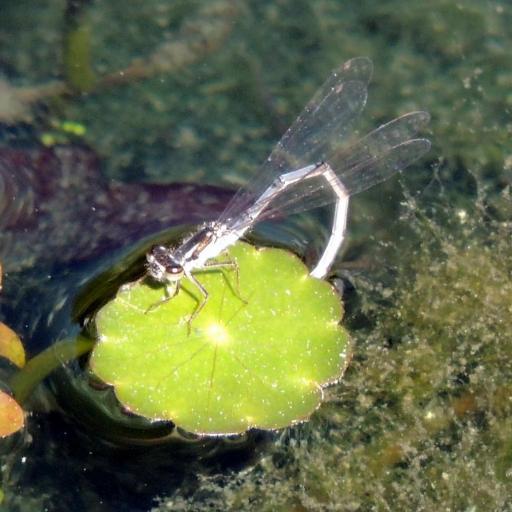
Known as the Fragile Forktail, this tiny, needle-like damselfly is a subtle gem of the wetlands and backyard gardens. Unlike its larger, neon-blue cousins, the Fragile Forktail is a master of blending in, often found lurking in the shadows of tall grasses. It is one of the most common damselflies in North America, acting as a miniature guardian that keeps small pest populations in check.
🔍 How to Identify
- ❗ The "Exclamation Point": The most distinct feature is on its thorax (chest area); look for a pale green or yellow shoulder stripe that is broken, resembling a tiny exclamation point (!).
- 📏 Diminutive Size: It is exceptionally small and slender, rarely exceeding an inch in length, making it look more like a flying blade of grass than an insect.
- 🎨 Color Patterns: Mature males and females are mostly black with greenish-yellow markings. Young females can sometimes appear a surprising shade of bright orange before maturing into a dusty grey-blue.
🌲 Habitat & Ecology
- 🦟 The Garden Sentinel: These insects are voracious predators of "micro-pests." They spend their day patrolling low vegetation to snatch up gnats, mosquitoes, and aphids.
- 🌿 Low-Light Specialist: Unlike many dragonflies that crave the blistering midday sun, the Fragile Forktail is "shade-tolerant." You will often find them active in the late afternoon or in the dappled light beneath garden shrubs and forest edges.
- 💧 Water Requirements: While they breed in still water like ponds or slow-moving ditches, they are frequently found far from the water's edge, making them common visitors to residential backyards.
⚠️ Safety & Toxicity
- ✅ Perfectly Harmless: The Fragile Forktail is a "friend" in every sense. They do not possess a stinger, and their tiny mandibles are far too weak to bite human skin.
- 🐾 Pet Friendly: They are non-toxic and pose no threat to curious cats or dogs who might try to snap at them in the grass. Their presence is a sign of a healthy, pesticide-free environment.
✨ Fun Fact
The species name posita comes from the Latin word for "placed," likely referring to those distinctive "exclamation marks" placed so perfectly on its shoulders. It is also one of the few damselflies that can be found active even on cloudy, overcast days!
More Details








