Info
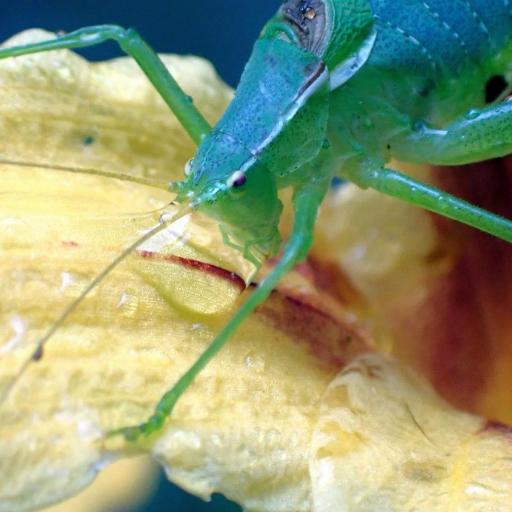
Meet the "plump" members of the cricket world. These flightless wonders are often called Saddle-backed Bush-crickets because of the unique, shield-like plate on their backs. They are the hidden maestros of the meadow, singing songs that are often too high-pitched for the human ear to fully capture.
🔍 How to Identify
- 🦗 The "Saddle" Shape: Look at the pronotum (the area behind the head). It often curves upward or flares out, resembling a miniature riding saddle.
- 🍃 Vestigial Wings: Unlike many of their cousins, most Isophya species have very tiny, reduced wings. They cannot fly, using their wings almost exclusively to produce sound.
- 🟢 Camouflaged Coloring: Their bodies are typically a vibrant leafy green, often decorated with fine dark speckles or a pale yellow stripe running down their sides to blend into the grass.
🌲 Habitat & Ecology
- 🌿 High-Altitude Hiders: They love lush, tall-grass meadows, forest clearings, and subalpine regions. Because they can't fly, they spend their entire lives within a very small territory, clinging to stalks of grass or wildflowers.
- 🎶 Ultrasonic Singers: Their "song" is created by rubbing their tiny wings together. It often consists of short, sharp "zits" or "clicks," many of which occur in ultrasonic frequencies that only other insects (and perhaps your dog) can hear clearly.
⚠️ Safety & Toxicity
- 🛡️ Harmless Resident: These insects are completely non-toxic and possess no stinger. They are shy creatures that prefer to drop into the deep grass rather than confront a human.
- 🤏 Gentle Handling: While the females have a long, sword-like "tail" (an ovipositor for laying eggs), it is not a weapon. They may give a tiny, harmless pinch with their mandibles if squeezed, but they are generally safe for curious kids and pets to observe.
✨ Fun Fact
Because Isophya cannot fly, different populations often get "trapped" on specific mountains or in isolated valleys. This has led to the evolution of dozens of unique species that look almost identical but sing entirely different "languages" to find their mates!
More Details








