Info
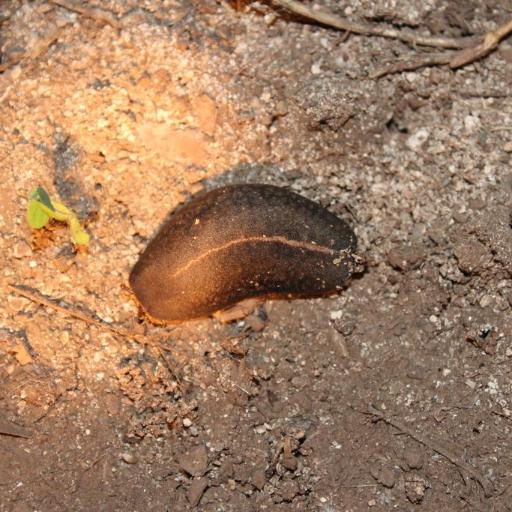
Often called the Tropical Leatherleaf, this slug looks more like a piece of dark, velvety suede than a typical garden mollusk. Unlike common garden slugs that appear shiny or "gooey," the Laevicaulis alte has a dry, leathery texture that helps it blend into the shadows of the tropical undergrowth. It is a master of the night, emerging from the damp earth to forage while the world sleeps.
🔍 How to Identify
- 🧥 The Mantle: Its most striking feature is a tough, leathery skin (mantle) that covers its entire back, hiding the head and protecting the soft body underneath.
- 🖤 Sleek Shape: It has a notably flattened, oval body. When moving, it stretches out, but when resting, it looks like a dark, smooth pebble.
- 📏 Color and Stripes: Typically charcoal grey or deep chocolate brown, it often features a very fine, pale line running straight down the center of its back.
🌲 Habitat & Ecology
- 🌙 Nocturnal Forager: This slug is rarely seen during the day. It hides in the cool, moist soil or under decorative garden rocks to avoid the sun, coming out at night to feast on leaf litter and seedlings.
- 🌏 Tropical Traveler: Originally from Africa, it has successfully "hitchhiked" across the globe through the plant trade. It is now a common sight in gardens across Asia, Australia, and the Americas.
⚠️ Safety & Toxicity
- 🧼 Health Warning: While it does not bite or sting, Laevicaulis alte is known to be an intermediate host for the Rat Lungworm parasite.
- 🚫 Handle with Care: Never touch this slug with bare hands. If you must move it, use gloves or a tool, and always wash your hands thoroughly afterward. Keep small children and pets away to prevent accidental ingestion.
✨ Fun Fact
This slug is a master of survival; during extreme dry spells, it can burrow deep into the ground and enter a state of "sleep" called aestivation, waiting months for the rain to return!
More Details








