Info
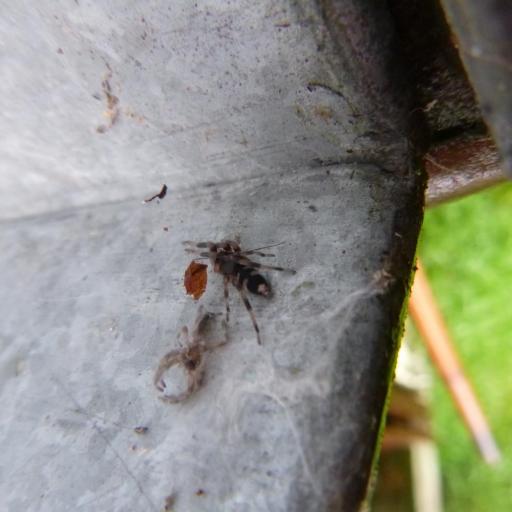
Often found hiding in the folds of laundry or lurking in dark corners, the White-tailed Spider (Lampona murina) is one of the most misunderstood residents of Australian and New Zealand homes. While its appearance might cause a momentary fright, this spider is a nomadic hunter that doesn't build webs to catch food, preferring to stalk its prey on foot.
🔍 How to Identify
- ⚪ The "Tail": Its most famous feature is the distinct, creamy-white patch at the very tip of its elongated abdomen.
- 🕷️ Body Shape: Unlike the round bellies of common house spiders, these have a slender, cylindrical body that resembles a tiny, dark cigar.
- 🦵 Leg Colors: Their legs are generally dark, but if you look closely, they often show subtle reddish-brown or orange bands near the joints.
🌲 Habitat & Ecology
- 🕸️ The Vagabond Hunter: You won't find this spider waiting in a web. They are active hunters that roam at night, specifically seeking out other spiders (like the Black House Spider) as their primary food source.
- 🧺 Indoor Shelters: They crave dark, narrow crevices. In the wild, they live under tree bark or rocks, but indoors, they often mistake piles of clothes, towels left on the bathroom floor, or crumpled bedding for a perfect hiding spot.
⚠️ Safety & Toxicity
- 🩹 The Bite: If accidentally squeezed (usually inside clothing), they will bite. The sensation is typically described as a sharp, burning pain similar to a bee sting, often followed by localized swelling and itchiness.
- 🧪 Debunking the Myth: For decades, this spider was falsely blamed for "flesh-eating" ulcers (necrotic arachnidism). Modern medical research has debunked this; while the bite is unpleasant, it does not cause skin tissue to die.
- 🐾 Pets & Kids: It is not considered medically significant or life-threatening, but it is best to keep curious pets away to avoid a painful nip on the nose or paws.
✨ Fun Fact
🍽️ A Specialized Diet: The White-tailed Spider is a "spider-hunter." It is so bold that it will even enter the webs of other spiders, mimicking the vibrations of a trapped insect to lure the resident spider out before attacking and eating it!
More Details








