Info
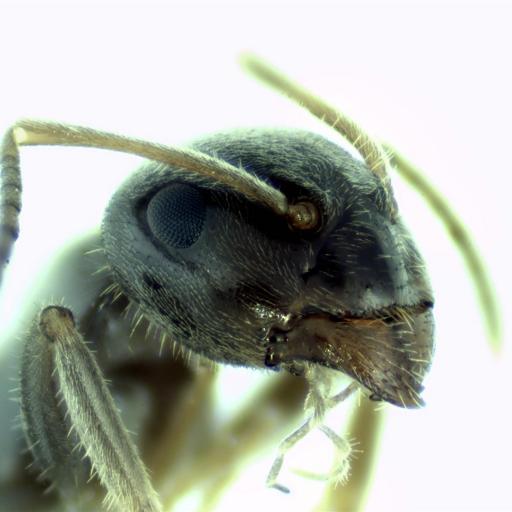
Meet the Lasius platythorax, often called the Flat-back Wood Ant. While it looks nearly identical to the common garden ant at first glance, this species is a dedicated woodland specialist. For decades, it was hidden in plain sight, mistaken for its city-dwelling cousins until scientists realized this "secret" species preferred the damp moss of ancient forests over the cracks in a suburban sidewalk.
🔍 How to Identify
- 🐜 The Matte Finish: Their bodies are a deep, charcoal black or dark brown, often appearing more "matte" or velvety than the shiny ants found in urban areas.
- 📏 Flatter Profile: As the name "platythorax" suggests, their mid-section (the thorax) is slightly flatter than other Lasius species, an evolutionary trait that helps them navigate the tight crevices of tree bark.
- 🌲 Location Context: If you find a black ant nesting deep inside a rotting log or under forest moss rather than under a patio stone, you are likely looking at Lasius platythorax.
🌲 Habitat & Ecology
- 🪵 The Wood Specialist: Unlike many ants that prefer mineral soil, these ants are obsessed with decaying wood. They build intricate galleries inside old stumps, fallen logs, and even high up in the hollows of living trees.
- 🍯 Aphid Ranchers: They play a vital role in the forest ecosystem by "farming" aphids. They protect these tiny insects from predators in exchange for honeydew, a sugary liquid that fuels the ant colony's high-energy lifestyle.
⚠️ Safety & Toxicity
- 🛡️ Harmless Neighbor: This species is considered harmless to humans, pets, and property. They do not seek out human kitchens and prefer to stay within their woodland boundaries.
- 🐜 Defensive Spray: Like most formicine ants, they lack a stinger. If the nest is heavily disturbed, they may attempt to nip with tiny mandibles or spray a minute amount of formic acid—which smells like strong vinegar—to deter predators.
✨ Fun Fact
Until 1991, Lasius platythorax wasn't even recognized as its own species! It was considered the exact same insect as the Common Garden Ant (Lasius niger) until researchers discovered they have completely different "personalities" and habitat preferences.
More Details








