Info
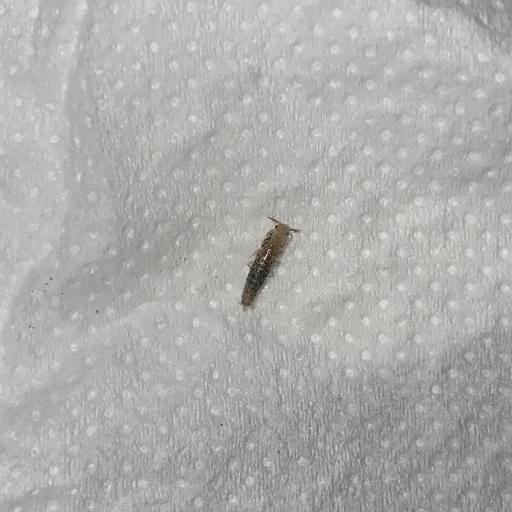
Often called the "Silverfish" due to its metallic sheen and fluid, swimming motion, Lepisma saccharinum is a living fossil that has haunted human dwellings since we first moved into caves. While their darting movements can be startling, these ancient scavengers are more interested in your old books and wallpaper glue than they are in you. They are one of the few roommates you'll have that predates the dinosaurs.
🔍 How to Identify
- 🐟 Metallic Finish: They are covered in fine, silvery-grey scales that give them a shimmering, metallic appearance reminiscent of a fish.
- 🥕 Tapered Body: A flat, carrot-shaped body that is wide at the head and tapers down to a very narrow point at the rear.
- 🏹 The Triple Tail: At the end of their abdomen, they sport three long, thread-like appendages, which pair with two long antennae at the front to help them navigate in the dark.
🌲 Habitat & Ecology
- 💧 Humidity Lovers: These insects are highly sensitive to dry air and are almost always found in damp areas like bathrooms, basements, or laundry rooms where the humidity is high.
- 📚 Starch Scavengers: They are notorious for their "sweet tooth" for polysaccharides. This means they feast on book bindings, photos, wallpaper paste, and even the starch in your clean laundry.
- 🌙 Nocturnal Sprinters: They are strictly active at night and are famous for their incredible speed, darting away the moment a light is flicked on.
⚠️ Safety & Toxicity
- 🛡️ Harmless to Humans: Silverfish do not bite, sting, or carry infectious diseases. From a health perspective, they are completely benign.
- 🐕 Pet Safe: They are non-toxic to cats and dogs, though your pets might find chasing these zig-zagging insects to be a fun (if frustrating) game.
- 🏚️ Property Damage: The primary risk is to your belongings; they can ruin precious heirlooms, old photographs, and silk clothing if left to multiply.
✨ Fun Fact
- 🕰️ Prehistoric Survivors: Silverfish belong to the order Zygentoma, one of the most primitive insect lineages on Earth. Their ancestors appeared roughly 400 million years ago, meaning they had already perfected their lifestyle long before the first dinosaur ever hatched.
More Details








