Info
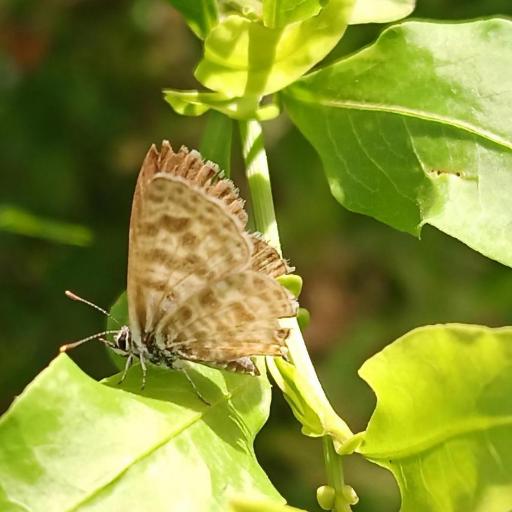
The Lang’s Short-tailed Blue is a tiny, shimmering nomad often referred to as a "friendly traveler" of the butterfly world. Known for its delicate, hair-like tails and intricate, zebra-patterned undersides, this little flyer is a common sight in sunny gardens across Europe, Africa, and Asia. It is best known for its clever "false head" trick, which it uses to fool hungry birds into attacking its wings instead of its body.
🔍 How to Identify
- 🦋 The Shimmering Uppers: Males boast a brilliant iridescent violet-blue color on the top of their wings, while females are typically a dusky brown with blue patches near the body.
- 🦓 The Zebra Underside: When the wings are closed, you’ll see a complex "marbled" or striped pattern of white and grey-brown streaks that help it blend into dry foliage.
- 🎭 The False Head: Look closely at the bottom of the hindwings; there are two tiny, hair-like tails paired with orange-ringed black eyespots that look exactly like a second set of antennae and eyes.
🌲 Habitat & Ecology
- 🍲 The Legume Lover: These butterflies are strongly tied to the pea family (Fabaceae). Their caterpillars are often found munching on the flower buds of beans, peas, and alfalfa.
- ☀️ Sun-Drenched Wanderer: They are highly active in the heat of the day, darting between flowers in meadows, scrublands, and urban gardens to drink nectar.
- 🗺️ Migratory Spirit: Despite their small size, they are impressive travelers, often migrating northward in large numbers during the warm summer months.
⚠️ Safety & Toxicity
- ✅ Completely Harmless: This insect is a "friend" to humans. It does not bite, sting, or possess any venom.
- 🌿 Garden Impact: While the caterpillars eat flowers and seed pods of legumes, they rarely cause enough damage to be considered a serious agricultural pest in home gardens.
✨ Fun Fact
- 🐜 Ant Bodyguards: The caterpillars of the Lang’s Short-tailed Blue have a special "honey gland" that secretes a sugary liquid. They use this to "bribe" ants, who in turn protect the caterpillars from wasps and spiders!
More Details








