Info
Often referred to as "Creek Flies" or "River Flies," members of the Limnophora genus are the silent, silver-gray sentinels of the water’s edge. Unlike the common housefly, these tiny predators are semi-aquatic specialists that spend their lives dancing across mossy rocks and splashing streams. They are nature's miniature cleaners, keeping small insect populations in check near freshwater habitats.
🔍 How to Identify
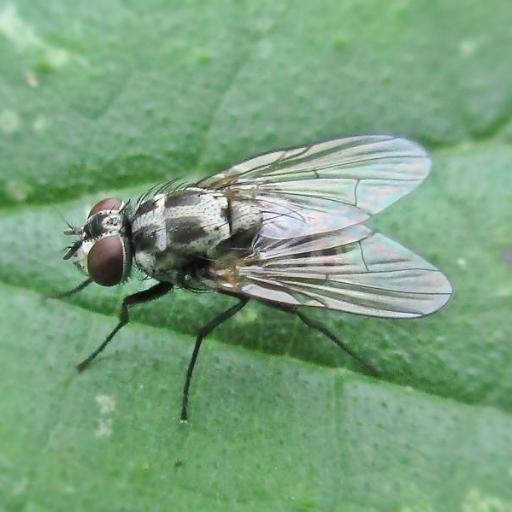
- 🪰 The Markings: Most species feature a distinct pattern of paired dark triangles or squares against a light gray or silvery abdomen, giving them a "checkered" look.
- 👀 The Head: They possess large, reddish-brown eyes and a stout, slightly hairy thorax typical of the Muscidae family (the same family as houseflies).
- 🦵 The Stance: You will often see them perched firmly on wet stones or logs near running water, positioned head-down as they watch for movement.
🌊 Habitat & Ecology
- 💧 Water Lovers: These flies are almost exclusively found near moving water, such as rapids, waterfalls, and mountain streams. Their larvae are often aquatic or semi-aquatic, living among algae and moss.
- ⚔️ Tiny Hunters: Don't let their small size fool you; Limnophora are active predators. Both the larvae and the adults hunt other small insects, including the larvae of midges and mosquitoes.
- 🌿 Bio-Indicators: Because they prefer clean, oxygenated water, their presence is often a sign of a healthy, unpolluted aquatic ecosystem.
⚠️ Safety & Toxicity
- ✅ Harmless Friend: Limnophora flies are completely harmless to humans and pets. They do not bite, sting, or transmit diseases like some of their filth-dwelling cousins.
- 🛡️ No Nuisance: Unlike houseflies, they rarely venture indoors. They prefer the humidity and spray of the outdoors, making them a "neighborly" insect that minds its own business.
✨ Fun Fact
These flies have evolved specialized "grippy" feet that allow them to remain perched on rocks even in the middle of a rushing waterfall or heavy spray—a feat that would wash most other insects away!
More Details








