Info
Often called the Lesser Dung Fly, members of the Limosina genus are nature’s tiny, overlooked janitors. While they may not have the vibrant colors of a butterfly, these miniature recyclers are essential for a healthy ecosystem, tirelessly breaking down organic waste. If you see them scurrying around your compost or damp garden soil, know that they are busy turning yesterday's waste into tomorrow's nutrients.
🔍 How to Identify
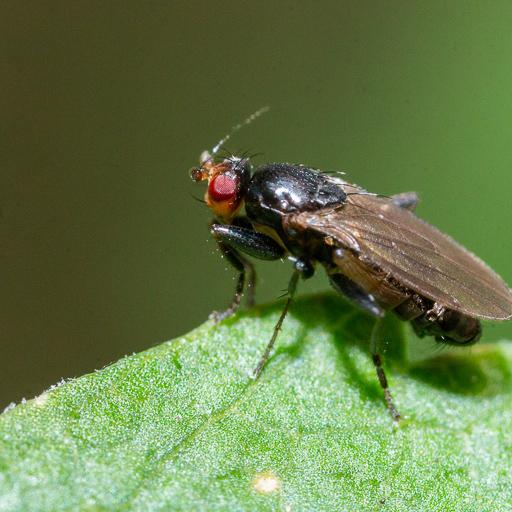
- 🪰 Diminutive Stature: These are very small flies, usually measuring only 1 to 4 millimeters. They are typically dull black or dark brown, lacking the metallic "glitter" of larger blowflies.
- 🦶 The "Thick Heel": A key giveaway is the hind leg; the first segment of their back foot (the tarsus) is notably swollen and shorter than the segment following it.
- 🪽 Folded Wings: When at rest, they tend to carry their wings flat over their abdomen, giving them a sleek, narrow silhouette.
🌲 Habitat & Ecology
- 🍂 Decomposition Specialists: You’ll most likely encounter Limosina near "mucky" areas. They thrive in compost heaps, decaying leaf litter, manure, and even damp soil rich in organic debris.
- 🏃 The "Scurry" Move: Unlike common houseflies that zip away immediately, these flies often prefer to run or hop across a surface. They are quite athletic on their feet and only take flight if they are significantly disturbed.
- 🌱 Nutrient Cyclers: By feeding on fungi and decaying matter, they accelerate the breakdown process, making minerals available for plants to absorb.
⚠️ Safety & Toxicity
- ✅ Non-Aggressive: Limosina flies do not bite or sting. They have no interest in humans or pets and do not carry the same "filth disease" reputation as the common housefly.
- 🧼 Garden Hygiene: While they are harmless, a sudden explosion of them indoors usually signals a forgotten bag of rotting potatoes or a leak in a drain that has collected organic "sludge." Clearing the source usually resolves the visit.
✨ Fun Fact
- 🪲 Hitchhikers of the Insect World: Some species in this family are known to practice "phoresy"—they hitch rides on larger dung beetles to get transported directly to the best breeding sites, effectively using the beetles as a tiny taxi service!
More Details








