Info
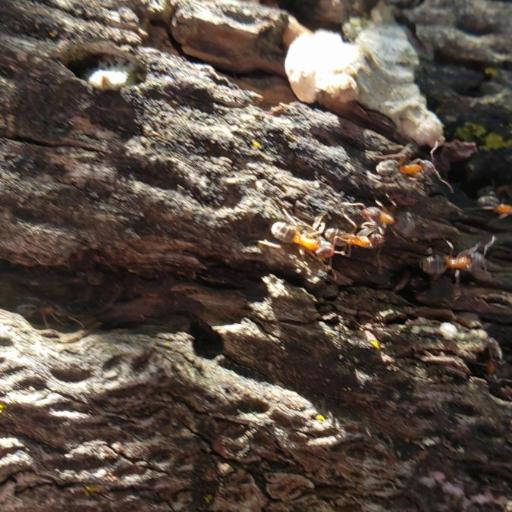
Often called Velvet Tree Ants, members of the Liometopum genus are the high-speed acrobats of the insect world. While they might look like common garden ants at a distance, these territorial travelers are famous for their shimmering, velvety abdomens and their intense dedication to defending their leafy kingdoms. In some cultures, their larvae are even considered a rare culinary delicacy known as "desert caviar."
🔍 How to Identify
- 🍑 Velvety Abdomen: The most striking feature is the gaster (rear end), which is covered in fine, silky hairs that catch the light, giving it a silver or golden sheen.
- 🎨 Two-Tone Coloration: Most species sport a reddish-brown or orange head and thorax, contrasted sharply by a much darker, almost black abdomen.
- 🏃 High-Speed Movement: Unlike slow-moving foragers, these ants run in frantic, jerky patterns and are incredibly fast when disturbed or hunting.
- 📏 Varying Sizes: They are "polymorphic," meaning you will see workers of many different sizes—from tiny scouts to much larger, robust soldiers—all working the same trail.
🌲 Habitat & Ecology
- 🌳 The Tree Dwellers: As their name suggests, they prefer nesting in the cavities of living or dead trees, particularly oaks, pines, and sycamores. They are also known to set up camp under large rocks or inside structural wood.
- 🍯 Aphid Ranchers: They are masters of "farming." You will often find them patrolling branches to protect aphids and scale insects, "milking" them for sweet honeydew in exchange for protection from predators.
- 🐜 Trail Blaziers: They create massive, well-established foraging trails that can stretch for dozens of yards across the forest floor or up the sides of buildings.
⚠️ Safety & Toxicity
- 🚫 Stingless but Feisty: These ants do not possess a stinger. However, they are highly aggressive defenders of their nest.
- 💥 The "Bite and Spray": If you disturb them, they will bite firmly with their mandibles and simultaneously spray formic acid into the wound. It provides a sharp, burning sensation that can be quite painful but is not medically dangerous to humans.
- 👃 Chemical Odor: When crushed or threatened, they release a potent, pungent pheromone that many describe as smelling like "rotten coconuts" or "rancid blue cheese."
✨ Fun Fact
In Mexico, the larvae and pupae of Liometopum apiculatum are harvested to create Escamoles. This ancient Aztec dish is prized for its nutty, buttery flavor and is often referred to as "Mexican Caviar," fetching high prices in gourmet restaurants!
More Details








