Info
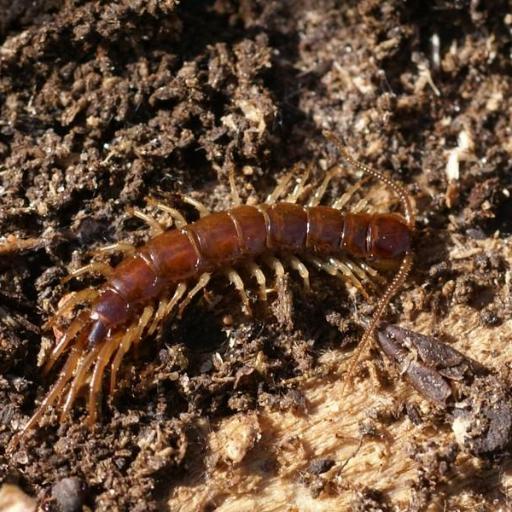
Known as the "Stone Centipede," Lithobius forficatus is the garden's secret night watchman. Often mistaken for a "creepy crawly" to be feared, this chestnut-colored sprinter is actually an elite predator that keeps pest populations in check. While its many legs might look intimidating, it is a sign of a healthy, balanced ecosystem in your backyard.
🔍 How to Identify
- 🦵 The Leg Count: Mature adults always have exactly 15 pairs of long, trailing legs, which allow them to navigate uneven terrain and leaf litter at high speeds.
- 🎨 Polished Armor: Its body is a glossy, flattened chestnut-brown or reddish-orange, looking almost as if it has been lacquered or polished.
- 📡 Sensory Antennae: It features a pair of long, multi-jointed antennae that constantly sweep the air, detecting the chemical trails and vibrations of nearby prey.
🌲 Habitat & Ecology
- 🪨 The Stone Dweller: As its name suggests, it thrives in the cool, damp darkness found under garden stones, paving slabs, and rotting logs. It is strictly nocturnal to avoid drying out in the sun.
- 🐜 The Apex Miniature Predator: This centipede is a carnivore. It spends its nights hunting down soft-bodied garden pests like slugs, springtails, and fly larvae, acting as a natural form of organic pest control.
⚠️ Safety & Toxicity
- 🦂 Defensive Nature: While it possesses "forcipules" (modified front legs that act like fangs), it is not aggressive toward humans and will almost always choose to sprint away rather than bite.
- 🩹 The Pinch: If handled roughly or squeezed, it can deliver a bite similar to a small bee sting. While mildly venomous to its prey, it usually only causes minor, localized redness or itching for humans and pets.
✨ Fun Fact
Unlike many other arthropods that "lay and leave," the female Stone Centipede is a dedicated mother; she often stays with her eggs for weeks, meticulously licking them to prevent fungal growth until they are ready to hatch!
More Details








