Info
Known as the "Red Wiggler" or "Red Marsh Worm," Lumbricus rubellus is the undisputed heavyweight champion of the composting world. While many see just a "creepy-crawly," gardeners recognize this worm as a master engineer that transforms kitchen scraps into "black gold" (vermicompost). These active little workers are the silent engines of a healthy ecosystem, tirelessly aerating the soil from the surface down.
🔍 How to Identify
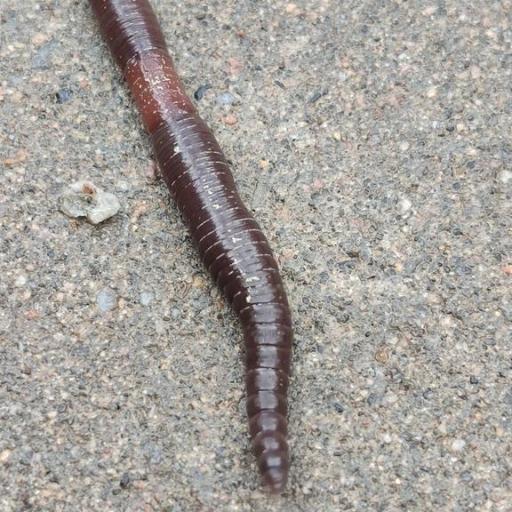
- 🪱 Rich Coloration: They sport a distinctive reddish-brown to dark purple hue, often with a slightly pale or yellowish underside.
- ✨ Iridescent Sheen: When the light hits their skin, you’ll notice a pearly, iridescent glow that helps distinguish them from duller earthworm species.
- 💍 The Clitellum: Look for a prominent, fleshy band (the clitellum) located about a third of the way down its body, which is used for producing cocoons.
🌲 Habitat & Ecology
- 🍂 Surface Dweller: Unlike the deep-burrowing nightcrawler, the Red Wiggler is "epigeic," meaning it prefers to live in the top layers of soil, hidden under damp leaf litter or piles of manure.
- ♻️ High-Speed Recycler: These worms have a voracious appetite for decaying organic matter. In a compost bin, they can eat up to half their body weight in food scraps every single day.
- 💧 Moisture Seeker: They breathe through their skin, so they are always found in damp environments; if their skin dries out, they cannot take in oxygen.
⚠️ Safety & Toxicity
- ✅ Status: Completely harmless to humans, pets, and plants.
- 🌱 Garden Friend: They do not bite, sting, or carry diseases. In fact, their presence is a sign of high soil quality and a thriving garden.
✨ Fun Fact
Red Wigglers are "heart-heavy" creatures—they actually have five pairs of simple, tube-like hearts (aortic arches) that pump blood throughout their segmented bodies!
More Details








