Info
Often called the "Nightcrawler" or "Dew Worm," Lumbricus terrestris is the unsung architect of the underground. While many mistake them for simple slimy tubes, Aristotle famously dubbed them the "intestines of the earth" for their incredible ability to process organic waste into rich, fertile soil. They are the ultimate garden allies, working silently beneath your feet to keep your plants thriving.
🔍 How to Identify
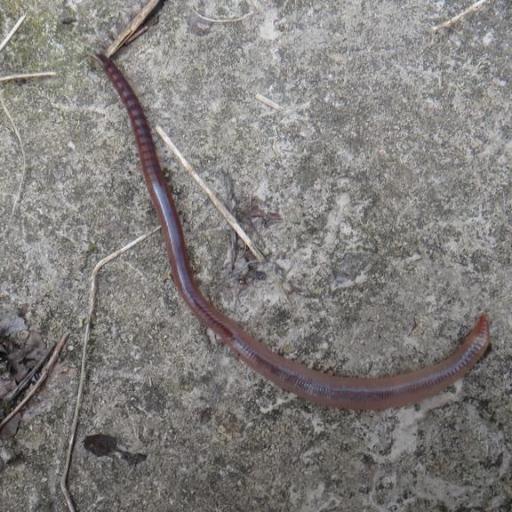
- 🪱 Segmented Body: A long, cylindrical body divided into many ring-like segments that contract and expand to help the worm "pump" its way through the earth.
- 🎀 The Clitellum: Look for a prominent, thickened "saddle" or band near the front end; this is a reproductive organ found only in mature worms.
- 🎨 Two-Tone Coloring: They typically feature a reddish-brown or purple-tinted head end, which gradually fades to a much paler, flattened tail.
🌲 Habitat & Ecology
- 🏗️ Soil Architects: Unlike many other worms, Nightcrawlers create permanent, vertical burrows that can reach up to six feet deep. These tunnels act as "highways" for air and water to reach deep plant roots.
- 🍂 Master Recyclers: They are detritivores, meaning they feed on fallen leaves and decaying organic matter. They often drag leaf litter into their burrows to eat in private, naturally composting the soil as they go.
- 🌙 Night Owls: They are highly sensitive to vibration and light. They emerge almost exclusively at night or during heavy rain to find mates and forage when the humidity is high.
⚠️ Safety & Toxicity
- ✅ Garden Friend: These invertebrates are completely non-toxic and harmless. They do not bite, sting, or carry diseases that affect humans or pets.
- 🧴 Skin Sensitivity: Earthworms breathe through their skin, which must stay moist to function. While they are safe to touch, salt, soaps, or lotions on your hands can be painful or even fatal to them.
- 🐕 Pet Safety: They are safe if accidentally nudged or even swallowed by curious dogs or cats, though they may carry some soil-based parasites in rare cases.
✨ Fun Fact
Charles Darwin was so fascinated by the Common Earthworm that he studied them for over 40 years. In his final book, he calculated that earthworms move several tons of soil per acre every single year—effectively "plowing" the entire planet's surface over time.
More Details








