Info
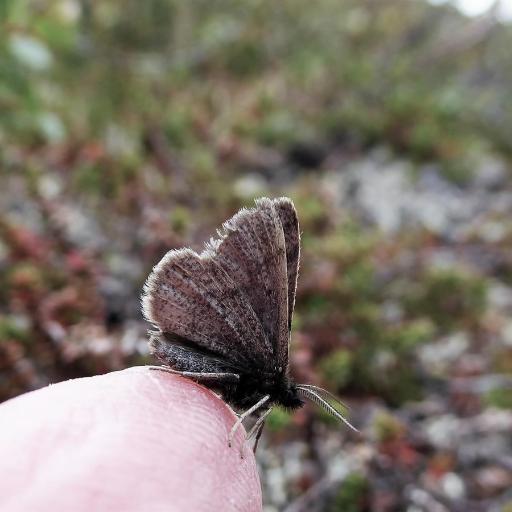
Often called the Gray-streaked Granite, this moth is a subtle masterpiece of nature’s camouflage. While it might look like a simple scrap of bark at first glance, its intricate, stony patterns make it a favorite for sharp-eyed nature observers in northern climates. It belongs to the "Geometer" family, a name that hints at the charming way its caterpillars "measure the earth."
🔍 How to Identify
- 🦋 Wing Pattern: Features fine, wavy lines across a dusty gray background that mimic the appearance of minerals or veins in a piece of granite.
- 📐 Wing Shape: Typically rests with wings spread flat against a surface, showing off a slightly hooked or notched edge on the forewings characteristic of the "Peacock" moth group.
- 🌫️ Coloring: Dominated by shades of ash, charcoal, and silver, allowing it to vanish completely when resting on lichen-covered trees or rocks.
🌲 Habitat & Ecology
- 🫐 The Berry Connection: The larvae (caterpillars) are particularly fond of low-growing shrubs, especially blueberries (Vaccinium) and dwarf birches, making them common in peatlands, bogs, and boreal forests.
- 🌙 Night Moves: As a nocturnal species, it spends its days hiding in plain sight. At night, it becomes active to seek mates and is frequently drawn to porch lights or garden lanterns.
- 🔁 Ecological Role: While the caterpillars munch on leaves, they are a vital food source for nesting songbirds. As adults, they serve as minor pollinators for nighttime-blooming wildflowers.
⚠️ Safety & Toxicity
- ✅ Status: Completely harmless. The Gray-streaked Granite is a "friend" to gardeners and hikers alike.
- 👐 Gentle Handling: It does not bite or sting. However, like all moths, their wings are covered in microscopic scales that provide lift and protection; touching them can rub these off, so it is best to enjoy their beauty with your eyes only.
✨ Fun Fact
The family name "Geometridae" comes from the Greek words for "earth-measurer." This refers to the caterpillars (inchworms) which lack middle legs, forcing them to arch their bodies into a loop and "measure" their way across a branch!
More Details








