Info
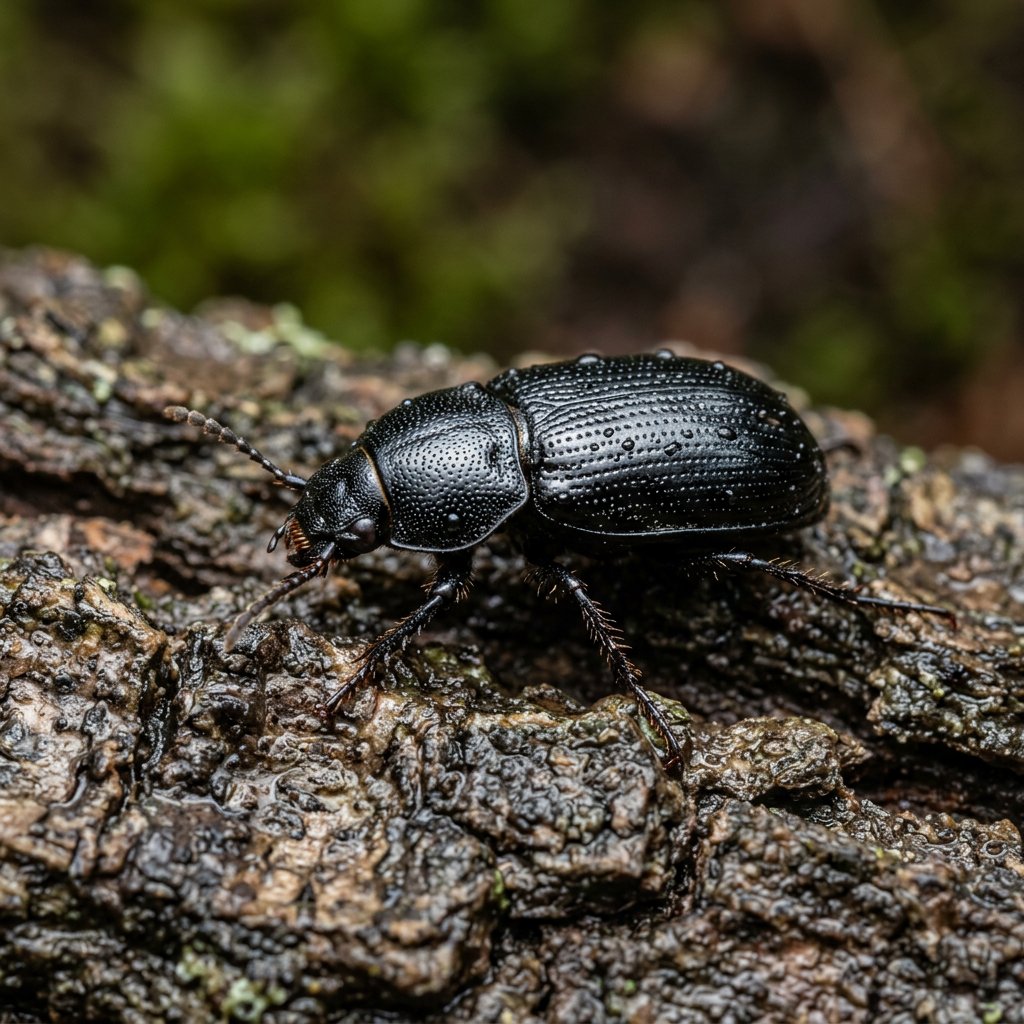
The Margarinotus genus contains the "Clown Beetles," nature's tiny, armored cleanup crew. Often found near decaying organic matter, these shiny black beetles might look intimidating, but they are actually beneficial predators that keep fly populations in check. Their compact, glossy bodies make them look like polished pebbles moving through the soil.
🔍 How to Identify
- 🛡️ Body Shape: Broadly oval and extremely compact; they look like miniature, glossy black tanks with a high-shine finish.
- 🎭 Shortened Wings: Their wing covers (elytra) are slightly "truncated," meaning they don't cover the very tip of the abdomen, leaving a small part of their rear exposed.
- 🐢 Retractable Limbs: They possess specialized grooves on their underside where they can tuck their legs and head away completely when threatened, making them almost impossible for a predator to flip or bite.
🌲 Habitat & Ecology
- 🐜 The Maggot Hunter: Unlike many insects found near waste, Margarinotus beetles aren't there to eat the decay. They are voracious predators that hunt and devour fly larvae (maggots) and other soft-bodied pests.
- 🍂 Niche Environments: You will typically find them in "high-activity" zones like compost piles, under rotting logs, or near animal nests. Their flat, sturdy legs are perfectly designed for digging through dense leaf litter or soil to find their prey.
⚠️ Safety & Toxicity
- ✅ Status: Entirely harmless to humans, pets, and garden plants.
- 👐 Details: They do not possess a stinger and their mandibles are far too small to pierce human skin. If you pick one up, it will likely "play dead" (thanatosis) by pulling its legs in and remaining perfectly still until it feels safe again.
✨ Fun Fact
🕵️ Forensic Assistants: Because different species of Clown Beetles arrive at decaying matter at very specific, predictable intervals, forensic scientists actually use them to help determine the "time of death" in legal investigations!
More Details








