Info
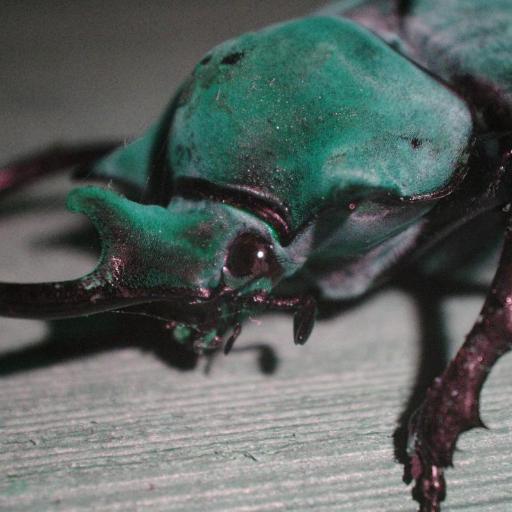
Known as the Elephant Beetle, this gentle giant is one of the heaviest insects on the planet. Resembling a miniature, armored tank covered in fine velvet, it captures the imagination of anyone lucky enough to spot it in the tropical rainforests of Central and South America. Despite its "scary" horns, it is a peaceful resident of the forest canopy.
🔍 How to Identify
- 🦏 The "Trunk" Horn: Males possess a long, forked cephalic horn that curves upward, remarkably similar to an elephant's trunk or a mammoth's tusk. Females lack this horn entirely.
- 🧥 Velvety Coat: Unlike many shiny, metallic beetles, the Elephant Beetle is covered in a dense layer of microscopic, yellowish-brown hairs (setae) that give it a soft, matte, and fuzzy appearance.
- 🐘 Massive Scale: They are true heavyweights, often reaching lengths of 5 inches (12 cm). Their bodies are broad, thick, and feel surprisingly heavy if held in the palm of your hand.
🌲 Habitat & Ecology
- 🌙 Night Owl Habits: These beetles are primarily nocturnal. During the heat of the day, they hide in the leaf litter; at night, they take flight, often attracted to bright lights near forest edges.
- 🍎 A Sweet Tooth: Adults spend their short lives searching for high-energy snacks. They primarily feed on the sweet sap of specific rainforest trees and the juices of fermenting, fallen fruits.
- 🪵 The Long Childhood: While the adult lives only a few months, the larvae (grubs) spend up to three years underground or inside rotting logs, eating decaying wood and growing to a massive size—sometimes larger than a human thumb.
⚠️ Safety & Toxicity
- 🛡️ Gentle Giant: Despite their intimidating size and formidable horns, Elephant Beetles are harmless to humans. They have no stinger and no venom.
- 🧗 Sharp Claws: Their legs are equipped with powerful, hooked claws designed for climbing thick tree bark. If one crawls on your skin, it may feel like a series of small, scratchy pinches, but it is simply trying to maintain its grip.
✨ Fun Fact
Because they are so massive, Elephant Beetles are "endothermic" to a degree. They can actually vibrate their muscles to raise their internal body temperature significantly above the surrounding air, which helps their massive wings function during cool tropical nights!
More Details








