Info
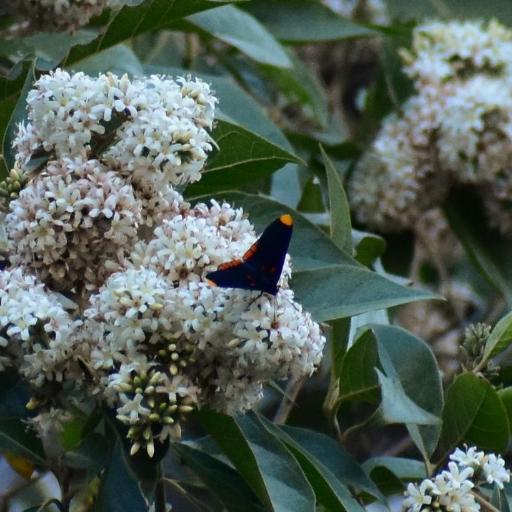
Often called the Red-bordered Pixie, this butterfly looks like it was dressed for a high-end masquerade ball. Found fluttering from the southernmost tip of Texas down through Central America, it belongs to the "Metalmark" family—a group known for their exquisite, jewelry-like wing patterns. Despite its delicate name, the Pixie is a hardy survivor of subtropical brushlands and sunny garden edges.
🔍 How to Identify
- 🦋 The Velvet Base: The wings are primarily a deep, velvety charcoal or black, providing a high-contrast canvas for its markings.
- 🎨 Neon Accents: Look for distinct, bright orange or red-hot spots at the "shoulders" (base of the forewings) and at the outer tips of the wings.
- ⚪ Checkered Fringe: The very edges of the wings feature a delicate white-and-black checkered fringe that looks like fine lace.
🌲 Habitat & Ecology
- 🌳 The Guamuchil Connection: These butterflies are almost always found near their favorite host plant, the Guamuchil tree (Pithecellobium dulce). This is where they lay their eggs and where their fuzzy, pale caterpillars dine.
- 🍃 The "Hidden" Perch: Unlike many butterflies that bask in the open, the Pixie has a unique habit of resting on the underside of leaves with its wings spread perfectly flat, making it a master of hide-and-seek.
- 🥤 Nectar Diet: Adults are frequent visitors to yellow and white flowers, using their long proboscis to sip nectar while providing essential pollination services to the garden.
⚠️ Safety & Toxicity
- ✅ Harmless Friend: The Red-bordered Pixie is completely safe. It possesses no stinger, does not bite, and is not known to be toxic to curious pets or children.
- 🛡️ Fragile Beauty: Like all butterflies, their wings are covered in microscopic scales. Handling them can damage these scales and hinder their ability to fly, so it's best to observe them with a camera rather than your hands.
✨ Fun Fact
The Pixie belongs to the family Riodinidae, or "Metalmarks." They earned this name because many of its cousins have tiny, metallic-looking spots on their wings that shimmer like flecks of real gold or silver in the sunlight!
More Details








