Info
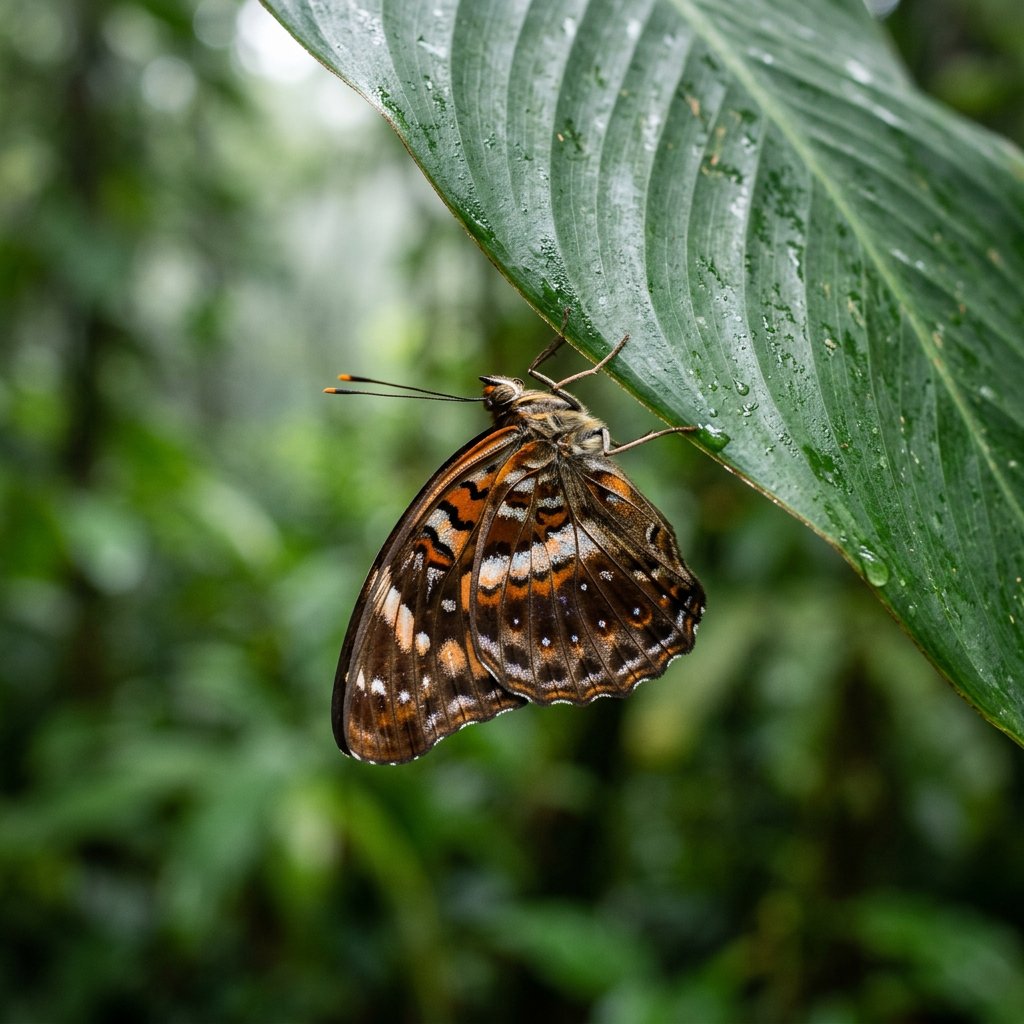
Known as "Pixies" or "Metalmarks," butterflies of the genus Melanis are like tiny, living stained-glass windows fluttering through the tropics. Found primarily in the lush forests of Central and South America, they are famous for their dramatic, velvety black wings punctuated by brilliant splashes of crimson, orange, or white. They are a delight for hikers and photographers, often appearing as sudden sparks of color against the deep green shadows of the jungle canopy.
🔍 How to Identify
- 🦋 High-Contrast Wings: Most species feature a deep charcoal or jet-black base color, decorated with vivid red or orange bands and often distinctive white tips on the forewings.
- 📐 Flat Resting Posture: A key behavioral giveaway—Melanis butterflies almost always rest with their wings spread perfectly flat, often choosing the underside of a leaf to hide from predators.
- ✨ Metallic Sheen: True to their "Metalmark" family name, look closely and you may see tiny, shimmering scales that catch the light like polished bronze or silver embroidery.
🌲 Habitat & Ecology
- 🌿 Understory Residents: These butterflies are masters of the Neotropical understory, preferring the humid borders of rainforests and sunny clearings where nectar-rich flowers are abundant.
- 💧 Mud-Puddling: You may find groups of them congregating on damp ground or riverbanks. This behavior, called "puddling," allows them to sip mineral-rich water that provides essential nutrients for mating.
⚠️ Safety & Toxicity
- 🛡️ Harmless Beauty: Melanis butterflies are completely safe for humans, children, and pets. They lack any stingers, mandibles for biting, or chemical irritants.
- 🦋 Handle with Care: While they aren't toxic to touch, their wings are incredibly fragile. The "dust" that comes off on your fingers is actually microscopic scales; losing them can hinder the butterfly’s ability to fly and regulate its temperature.
✨ Fun Fact
In the world of evolutionary survival, some Melanis species are "copycats." They participate in mimicry rings, where they evolve to look almost identical to other, foul-tasting butterfly species. This clever disguise tricks birds into thinking the Melanis is a bitter, toxic snack!
More Details








