Info
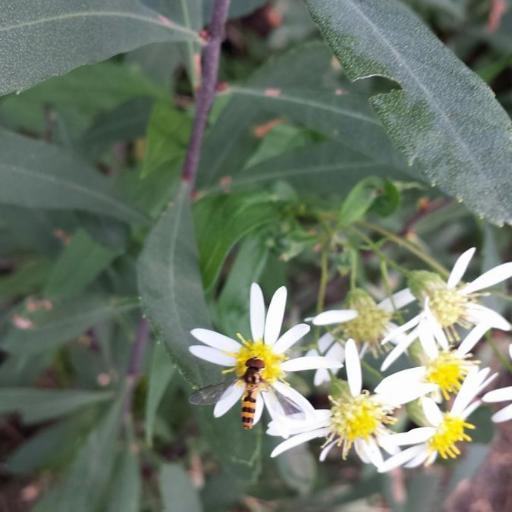
Meet the Small Girdled Hoverfly, a tiny, acrobatic pilot that is one of the garden’s most valuable allies. Often mistaken for a miniature wasp due to its "caution tape" yellow and black stripes, this insect is a master of mimicry. It spends its days darting between flowers with surgical precision, serving as both a dedicated pollinator and a fierce protector of your plants.
🔍 How to Identify
- 👀 The "Little Belt": Its abdomen is slender and dark, featuring distinct yellow bands that wrap around the sides—the name cinctella actually comes from the Latin word for "little belt."
- 🎭 Expert Impersonator: It mimics the appearance of a stinging wasp to scare off hungry birds, but look closely at the head; it has the large, wrap-around eyes of a fly, not a wasp.
- 🪶 Stagnant Flight: It is famous for its "hovering" ability, staying perfectly still in mid-air before darting away in a blur, a feat made possible by its high-speed, transparent wings.
🌲 Habitat & Ecology
- 🍽️ The Aphid Hunter: While the adults are peaceful nectar-sippers, their larvae are legendary garden guardians. These tiny, green, slug-like larvae crawl along stems and devour massive amounts of aphids.
- 📍 Woodland Edges: You’ll most often find them near the edges of forests, in sunny hedgerows, or hovering over flat-topped flowers like cow parsley and daisies.
- 🌬️ Seasonal Travelers: Unlike many small insects, these hoverflies are known to be migratory, sometimes traveling long distances across continents to find the best blooms and breeding grounds.
⚠️ Safety & Toxicity
- ✅ Completely Harmless: Despite their "scary" stripes, they have no stinger and no venom. They cannot bite or sting humans or pets.
- 🛡️ Garden Friend: They are 100% safe to have around children and animals. In fact, seeing them is a sign that your garden's ecosystem is healthy and balanced.
✨ Fun Fact
The Meliscaeva cinctella can beat its wings up to 300 times per second, allowing it to fly sideways, backward, and even upside down for short bursts!
More Details








