Info
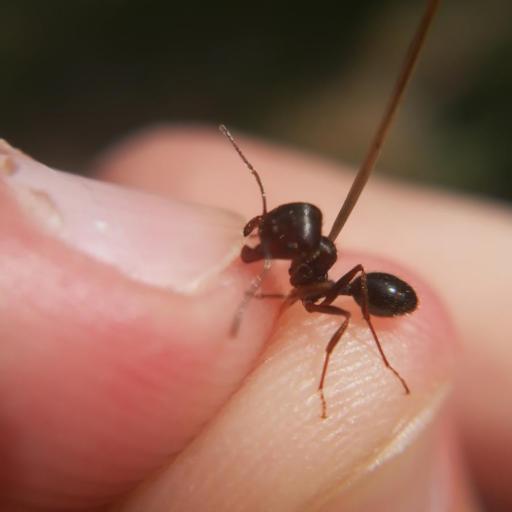
Known as the Girdled Harvester Ant, Messor structor is the industrious "farmer" of the insect world. Unlike many ants that scavenge for scraps or hunt other bugs, these ants are famous for their massive seed-hauling operations. They are a common sight in sunny gardens and meadows across Europe and the Mediterranean, where they spend their lives building intricate underground granaries.
🔍 How to Identify
- 🤯 Head Shape: The "majors" (the largest workers) have disproportionately massive, square-shaped heads. These are packed with muscles used to crack open tough husks.
- 🟤 Polymorphic Bodies: You will see a huge variety of sizes in one line of ants, ranging from tiny workers to large soldiers, usually colored in deep reddish-brown to matte black.
- 🌾 The "Harvest" Trail: They are most easily identified by their behavior; look for a steady line of ants carrying seeds or grains twice their size back to a single hole in the ground.
🌲 Habitat & Ecology
- 🍞 The Bread Makers: These ants create "ant bread." They chew up harvested seeds and mix them with saliva to break down starches into a nutritious paste that feeds the colony.
- 🌱 Seed Dispersal: They are vital to the ecosystem. By carrying seeds long distances and storing them underground, they accidentally "plant" many species of wildflowers and grasses when they forget where they hid their snacks.
⚠️ Safety & Toxicity
- 🛡️ Status: Mostly harmless. They are not aggressive and prefer to flee rather than fight.
- 🦷 The Pinch: While they do not have a functional sting like some other ants, the larger "majors" can give a small, non-venomous pinch with their mandibles if they feel their nest is being crushed.
- 🐾 Pets & Kids: They are safe to have in the garden. They don't carry diseases or infest homes, as they are only interested in your garden's seeds, not your kitchen's sugar.
✨ Fun Fact
Messor structor is a "polygynous" species, meaning a single colony can have several queens living together in harmony. This allows their colonies to grow into massive, long-lasting empires that can survive for decades!
More Details








