Info
Often called the "Ghostly Mimics" or simply Mimic Swallowtails, Mimoides is a genus of stunning butterflies that have mastered the art of deception. Found dancing through the tropical forests of Central and South America, they are the ultimate "cosplayers" of the insect world, perfectly imitating toxic species to keep hungry birds at bay. These delicate beauties are essential pollinators and a welcome, harmless sight for any nature enthusiast.
🔍 How to Identify
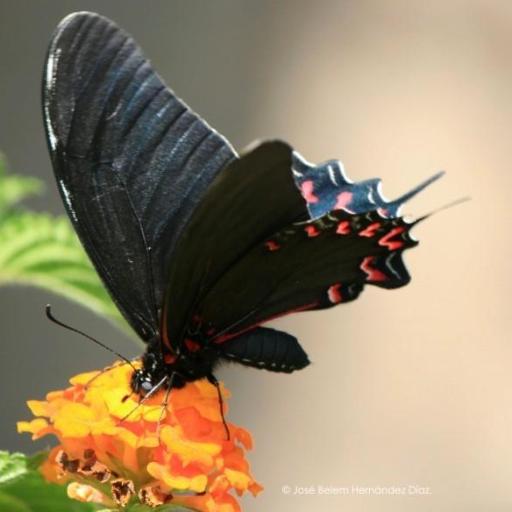
- 🦋 The Wing Pattern: Look for velvety black or deep indigo wings adorned with striking patches of crimson, cream, or iridescent green. The colors are often "painted" in geometric blocks.
- 🚫 The "Tail-less" Swallowtail: Despite being in the Swallowtail family, many species in the Mimoides genus have reduced or completely absent tails, giving them a sleeker, more rounded silhouette than their famous cousins.
- 🕶️ The Great Disguise: They are frequently confused with Parides (Cattleheart butterflies). If the butterfly looks slightly more "slender" and fragile than a typical Cattleheart, it is likely a Mimoides in disguise.
🌲 Habitat & Ecology
- 🌺 Tropical Nectar Seekers: You’ll most often find them hovering near bright, nectar-rich flowers in sun-drenched forest clearings. They are particularly fond of Lantana, acting as vital "couriers" for pollen.
- 🍃 Picky Eaters: Their caterpillars are quite specific, usually found munching on the leaves of plants in the Annonaceae family (the Custard Apple family). As larvae, they often look like bird droppings to hide from predators!
- 💨 Swift Fliers: Unlike the slow, bobbing flight of the toxic butterflies they mimic, Mimoides are often faster and more erratic, ready to zip away at the first sign of trouble.
⚠️ Safety & Toxicity
- ✅ Completely Harmless: These butterflies possess no stingers, and their mandibles are far too weak to bite a human. They are "friendly" insects that pose no threat to your garden or your family.
- 🐾 Pet Safety: While the adult butterflies are not toxic, some of their caterpillars can be mildly unpalatable if eaten by a curious pet. However, they do not possess irritating hairs or "stinging" spines.
✨ Fun Fact
The genus name Mimoides literally means "mimic-like." This is a textbook example of Batesian Mimicry, a survival strategy where a harmless animal evolves to look like a dangerous or foul-tasting one to trick predators into leaving them alone!
More Details








