Info
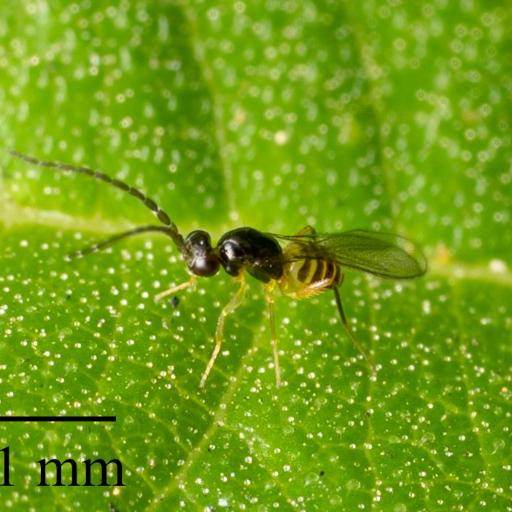
Known as the "fairies" of the insect world, Mymaridae are actually tiny parasitoid wasps that represent some of the smallest complex organisms on Earth. Despite their name, they are master hunters of the microscopic realm, acting as vital biological control agents for gardens and forests worldwide. They are so small that they are often overlooked, yet they play a massive role in keeping pest populations in check.
🔍 How to Identify
- 📏 Microscopic Size: Most species are under 1 mm long, making them nearly invisible to the naked eye—usually no larger than a tiny speck of dust or a grain of salt.
- 🪶 Feathered Wings: Their most iconic feature is their paddle-shaped wings, which are lined with long, delicate hairs (setae) that look like tiny feathers or eyelashes under a microscope.
- 🕵️ Body Structure: They have a classic wasp-waist structure, though it is difficult to see without a lens, and their antennae are often quite long and elbowed relative to their tiny bodies.
🌲 Habitat & Ecology
- 🍃 Egg Hunters: These insects are "egg parasitoids," meaning the females search for the eggs of other insects (like leafhoppers or beetles) to lay their own eggs inside, effectively stopping pests before they even hatch.
- 🌳 Global Presence: You can find them in almost every terrestrial habitat, from deep woodlands to your backyard garden. They are particularly active in areas with high humidity and plenty of foliage where their host insects thrive.
- 💨 Aerial Drifters: Because they are so light, they don't "fly" in the traditional sense; instead, they move through the air as if they are swimming through a thick liquid, often carried by gentle breezes.
⚠️ Safety & Toxicity
- 🛡️ Completely Harmless: Despite being technically classified as wasps, fairyflies cannot sting or bite humans or pets. They lack the venom and the physical size to cause any harm.
- ✅ Gardener's Friend: They are considered highly beneficial insects. Having them in your environment is a sign of a healthy, balanced ecosystem where natural pest control is at work.
✨ Fun Fact
The species Kikiki huna belongs to this family and is currently the smallest known flying insect in the world. At only 0.15 mm long, it is actually smaller than many single-celled organisms!
More Details








