Info
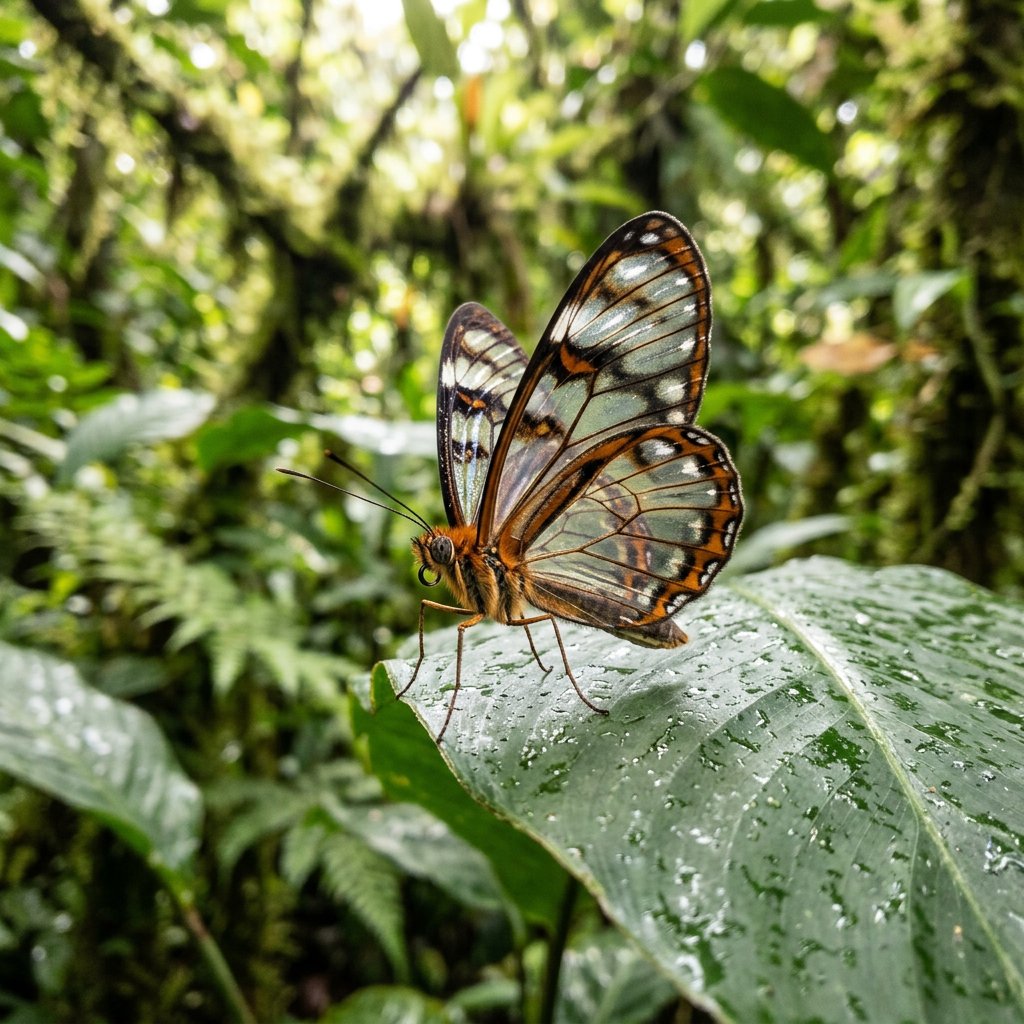
Often referred to as the Firetip Skipper, Mysoria butterflies are the jet-setters of the tropical insect world. With their sleek, dark bodies and brilliant neon "tips," they look as if they were carefully hand-painted to stand out against the deep green of the rainforest. These butterflies belong to the Hesperiidae family, known for their powerful flight and "skipping" movement that makes them a challenge to photograph.
🔍 How to Identify
- 🦋 The Wings: Primarily a deep, velvety indigo or soot-black color that can shimmer with a metallic blue sheen in direct sunlight.
- 🔥 Fire Edges: The most striking feature is the bright orange, red, or yellow fringe along the edges of the wings and the base of the head, looking like glowing embers.
- 📡 Hooked Antennae: Unlike common butterflies with clubbed antennae, Mysoria has "hooked" tips (called apiculi) that are characteristic of the Skipper family.
🌲 Habitat & Ecology
- 🌎 Tropical Range: These insects are native to Central and South America, thriving in humid lowland forests and sunny woodland edges where nectar is plentiful.
- ⚡ High-Speed Flight: Because they have exceptionally thick thoracic muscles, they fly much faster than typical butterflies, often darting between flowers so quickly they are hard to track with the naked eye.
- 🍃 Host Plant Bonds: As caterpillars, they are very picky eaters, usually specializing on plants in the Malpighiaceae family (such as the Barbados Cherry or Acerola).
⚠️ Safety & Toxicity
- ✅ Status: Harmless Friend.
- ✋ Details: Mysoria insects do not sting or bite. They are delicate pollinators that are beneficial to the environment. While the caterpillars of some skippers have tiny hairs, the adult butterflies are perfectly safe to be around.
✨ Fun Fact
The name "Skipper" comes from their erratic, high-velocity flight pattern. While most butterflies "flutter," the Mysoria skips across the air like a flat stone thrown across a pond, reaching speeds that help them evade hungry birds and lizards!
More Details








