Info
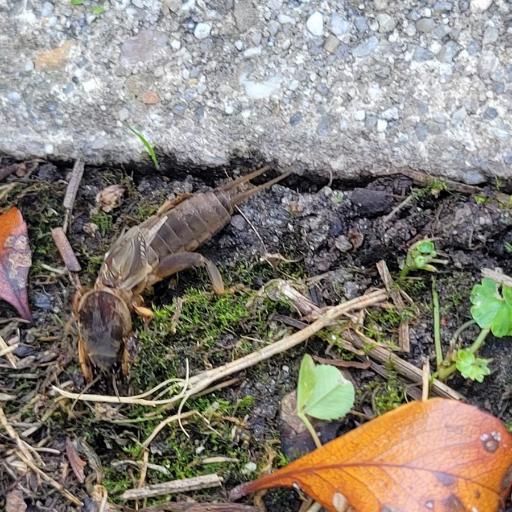
Meet the tiny, six-fingered bulldozer of the insect world! Often called the Northern Mole Cricket, this fascinating creature looks like a surreal cross between a cricket and a miniature mole. While they are often hidden from sight, their presence is felt through their mechanical-sounding songs and the miniature tunnels they leave behind in moist earth.
🔍 How to Identify
- 掘 Shovel-Like Forelegs: Their most striking feature is their powerful, flattened front legs designed for heavy-duty digging, resembling the paws of a mole.
- 🧤 Velvety Texture: The body is covered in fine, dense hairs that give it a soft, velvety brown appearance, which helps it slide through soil without getting stuck.
- 🖐️ Six "Fingers": The name hexadactyla refers to the six distinct tooth-like projections on its digging legs that it uses to slice through roots and soil.
🌲 Habitat & Ecology
- 💧 Moisture Seekers: You will rarely find these crickets in dry sand; they prefer damp soil near the edges of ponds, lakes, or in well-watered suburban lawns.
- 🎶 Subterranean Singers: On warm nights, males sit at the entrance of specially shaped "megaphone" burrows to amplify their low, rhythmic chirping, creating a sound that can be surprisingly loud for their size.
- 🌱 Mixed Diet: They are opportunistic eaters, munching on decaying organic matter, tender plant roots, and occasionally smaller insects or earthworms they encounter underground.
⚠️ Safety & Toxicity
- 🛡️ Harmless to Humans: Northern Mole Crickets are not venomous and do not have a "sting." While they might give a tiny pinch if handled roughly, they are generally shy and prefer to dig away from trouble.
- 🏡 Garden Impact: While they are a "foe" to pristine golf courses and manicured lawns because their tunneling can dry out grass roots, they are a vital part of the ecosystem, helping to aerate the soil and serve as food for birds and mammals.
✨ Fun Fact
The Northern Mole Cricket is a master of acoustics! It constructs its burrow in the shape of a double-exponential horn, a design so efficient at magnifying sound that it allows their mating calls to travel for over a kilometer.
More Details








