Info
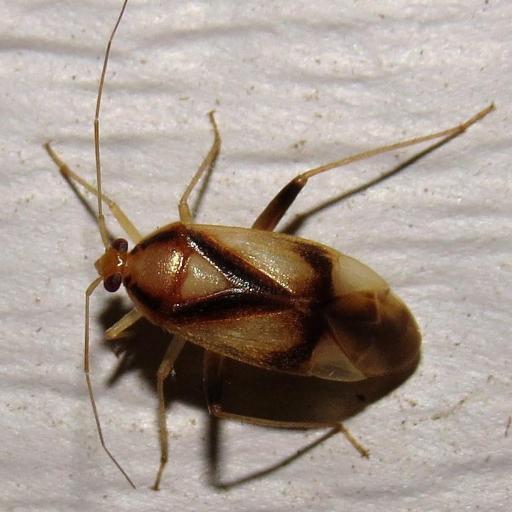
Meet the Neolygus plant bug—often referred to as the "Green Mirid." These tiny, shield-shaped navigators are common sights in deciduous forests and home gardens alike. While they might look like miniature translucent jewels among the leaves, they are busy sap-sippers that play a quiet but active role in the garden's ecosystem, often hiding in plain sight.
🔍 How to Identify
- 🪟 The "Cuneus" Notch: One of the best ways to spot a Neolygus is the distinct downward-angled "elbow" or triangular notch at the end of their leathery forewings.
- 🟢 Camouflage Coloring: Most species are a vibrant, translucent pale green or yellowish-brown, which allows them to disappear completely against the veins of a fresh leaf.
- 📏 Oval Profile: They have a classic elongated-oval body, usually no longer than 5-6mm, with long, delicate antennae that are constantly twitching to sense their environment.
🌲 Habitat & Ecology
- 🍃 The Sap Diet: These insects are specialized herbivores. Using needle-like mouthparts, they pierce soft plant tissues to drink sap, often targeting the most nutrient-rich parts like flower buds and young fruit.
- 🌳 Tree Dwellers: You will most likely find them on woody plants and deciduous trees such as Maples, Oaks, and fruit trees. They are incredibly shy; if you reach for a leaf, they will quickly scuttle to the underside to stay out of view.
⚠️ Safety & Toxicity
- 🛡️ Human Safety: They are completely harmless to humans. They do not possess a stinger, and unlike some other "true bugs," they rarely ever attempt to bite humans.
- 🐱 Pet Safety: They are non-toxic. If a curious cat or dog happens to find one, there is no risk of venom or chemical irritation.
- 🥀 Plant Impact: While "safe" for you, they can be minor garden "foes." In high numbers, their feeding can cause "cat-facing" (pitting or scarring) on young fruits or cause flower buds to drop prematurely.
✨ Fun Fact
Many Neolygus species are masters of the "sideways shuffle." When they detect a predator (or a curious human), they don't just fly away; they perform a rapid, crab-like lateral scoot to keep the plant stem between themselves and the threat, effectively playing a high-stakes game of hide-and-seek.
More Details








