Info
Meet the Nephele, a genus of sleek, high-speed moths belonging to the Sphingidae family, often called Hawkmoths or Sphinx Moths. These nocturnal aviators look like miniature stealth bombers as they dart between flowers under the moonlight. Found predominantly in Africa, Asia, and Australia, they are the silent surveyors of the night garden, performing the heavy lifting of pollination while the world sleeps.
🔍 How to Identify
- 🦋 Forewing Markings: Most species, such as the Common Nephele, feature distinct, bright silver or white spots near the center of the forewing—often resembling a "comma" or a "colon" punctuation mark.
- ✈️ Aerodynamic Shape: They possess a thick, muscular, torpedo-shaped body and narrow, swept-back wings designed for rapid, powerful flight rather than the typical "fluttering" of other moths.
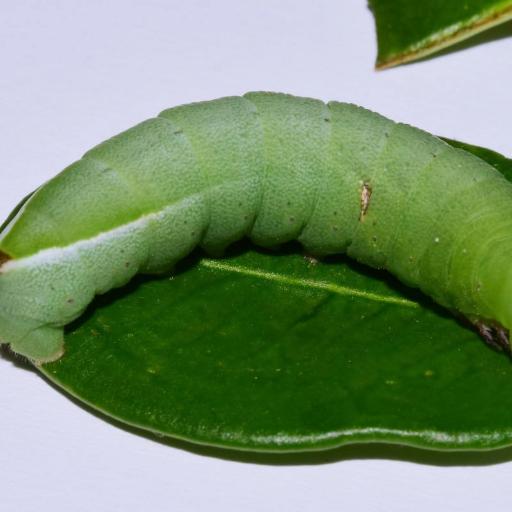
- 🐛 Caterpillar Horn: Like other Sphinx moths, the larvae (caterpillars) often have a soft, curved "horn" at their rear and may display realistic eyespots on their heads to mimic snakes and scare off predators.
🌲 Habitat & Ecology
- 🌙 Nighttime Pollinators: They are primarily crepuscular (active at dusk) or nocturnal. They use an incredibly long proboscis to sip nectar from deep, tubular flowers that other insects simply cannot reach.
- 💨 Hovering Flight: Nephele moths are masters of suspension; they can hover perfectly still in front of a flower while feeding, beating their wings so fast they create a low, audible hum similar to a hummingbird.
- 🌿 Woodland Dwellers: You are most likely to spot them near forest edges, tropical scrub, or suburban gardens where their host plants (often from the coffee or oleander families) are present.
⚠️ Safety & Toxicity
- 🛡️ Harmless Friend: These insects are completely harmless to humans. They do not bite, sting, or carry any venom. Their "scary" horn as a caterpillar is purely for show and is soft to the touch.
- 🐶 Pet Safety: They are non-toxic to cats and dogs. While a curious pet might try to catch one, the moth’s only defense is its impressive speed and camouflage.
✨ Fun Fact
- 🚀 Nature's Jets: Hawkmoths in the Nephele genus are among the fastest flying insects in the world. Some of their close relatives have been clocked at speeds exceeding 30 miles per hour (50 km/h), making them the "peregrine falcons" of the moth world!
More Details








