Info
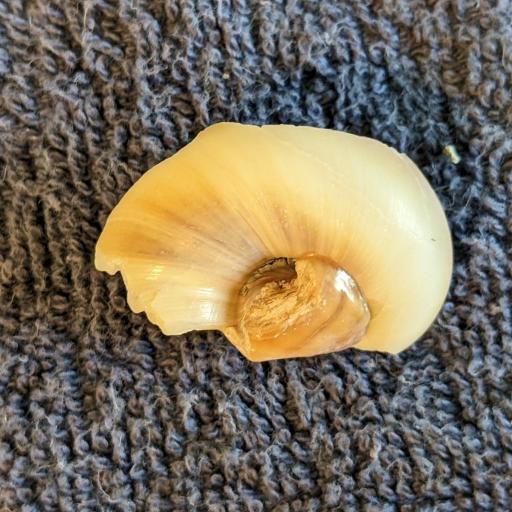
While it shares a name that might sound like a rare beetle, Neverita duplicata—commonly known as the Shark Eye or Atlantic Moon Snail—is actually a predatory marine gastropod. Found along the Atlantic coast, this "eye of the ocean" is famous for its smooth, polished shell that seems to stare back at beachcombers from the tide pools.
🔍 How to Identify
- 🐚 The "Eye" Whorl: The shell features a distinct, spiraling dark center (the umbilicus) that looks remarkably like a pupil, surrounded by a cream or grey "iris."
- 🌊 Globose Shape: The shell is smooth, round, and heavy, often reaching the size of a tennis ball in mature specimens.
- 🦶 The Massive Foot: When active, the snail extends a massive, fleshy grey "foot" that can almost entirely wrap around its own shell, allowing it to glide over or under the sand.
🌊 Habitat & Ecology
- 🏖️ Sandy Substrates: They prefer intertidal zones and shallow waters where they can burrow just beneath the surface to hunt for buried clams and other mollusks.
- 🐌 The "Driller" Predator: Unlike passive snails, the Shark Eye is a fierce hunter; it uses a specialized tongue (radula) to drill perfectly circular holes into the shells of its prey to consume them.
- 🌀 Sand Collars: If you find a strange, rubbery ring of sand on the beach that looks like an old-fashioned shirt collar, you’ve found a Shark Eye egg case!
⚠️ Safety & Toxicity
- 🟢 Status: Completely harmless to humans.
- 🖐️ Handling: They do not bite, sting, or carry toxins. However, they are sensitive to the oils and lotions on human hands, so it is best to observe them in their tide pools rather than picking them up for long periods.
✨ Fun Fact
The Shark Eye’s "sand collar" egg case is a marvel of natural engineering. The snail uses its own mucus to glue sand grains together into a protective, flexible sheet that houses thousands of microscopic eggs, which then dissolves once the larvae hatch!
More Details








